15-Minute Egg Roll in a Bowl: The Ultimate Dinner for Busy Fat Loss
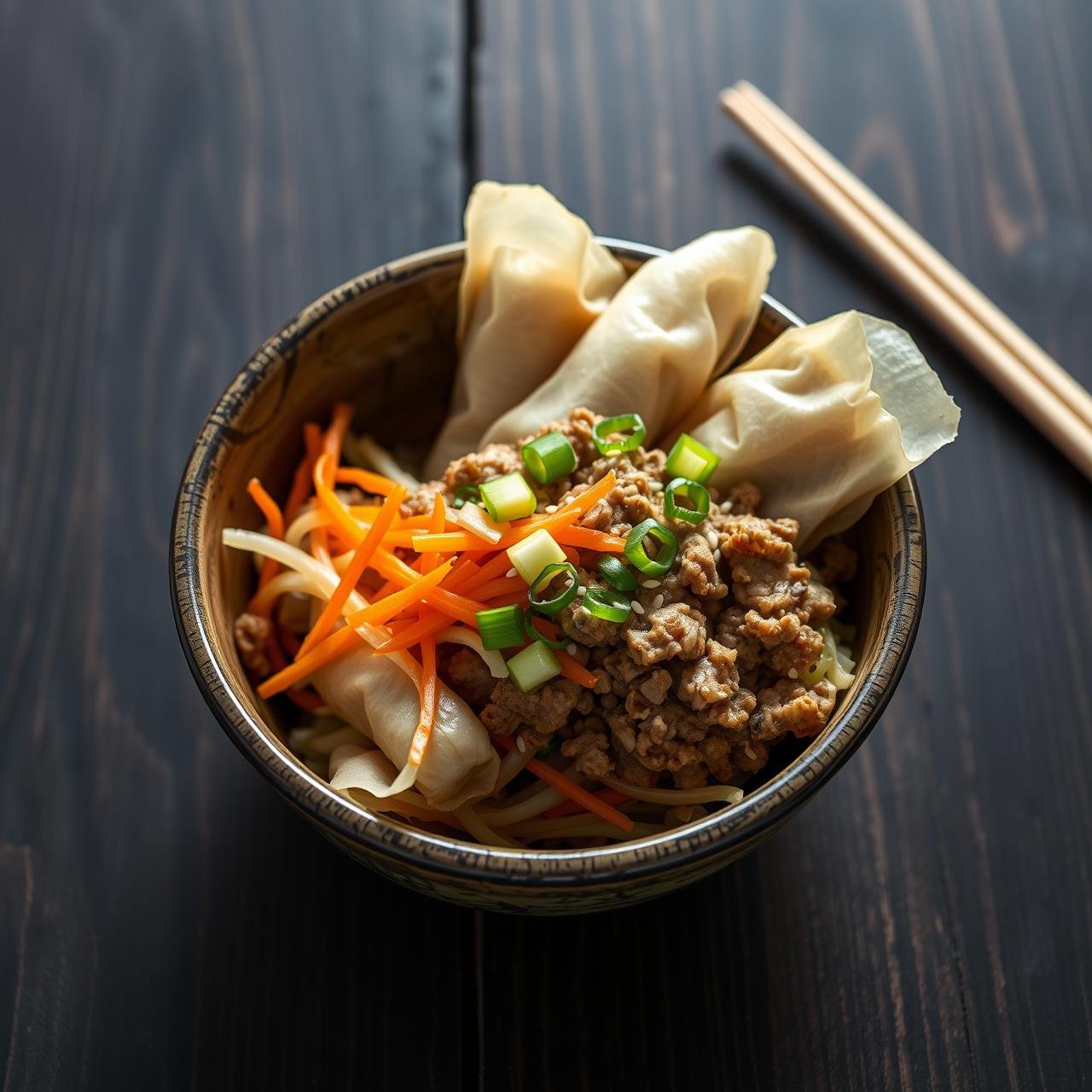
In the relentless pace of modern life, the quest for a meal that is simultaneously quick, nourishing, and genuinely satisfying can feel like an impossible challenge. We often find ourselves caught between time-consuming home cooking and the convenience of less-than-healthy takeout. This is precisely where the genius of the 15-Minute Egg Roll in a Bowl comes into play. It is more than just a recipe; it is a culinary strategy for the busy, health-conscious individual. This dish captures the irresistible umami-rich, savory flavors of a traditional fried egg roll but deconstructs it into a wholesome, low-carb bowl of goodness. Forget the greasy wrappers and deep-frying. We’re focusing on clean, vibrant ingredients, cooked to perfection in a single skillet, that support your fat loss goals without sacrificing an ounce of taste. Prepare to revolutionize your weeknight dinner routine with a meal that proves you don’t need to choose between fast, flavorful, and fit.
Why Egg Roll in a Bowl? The Healthy Deconstruction
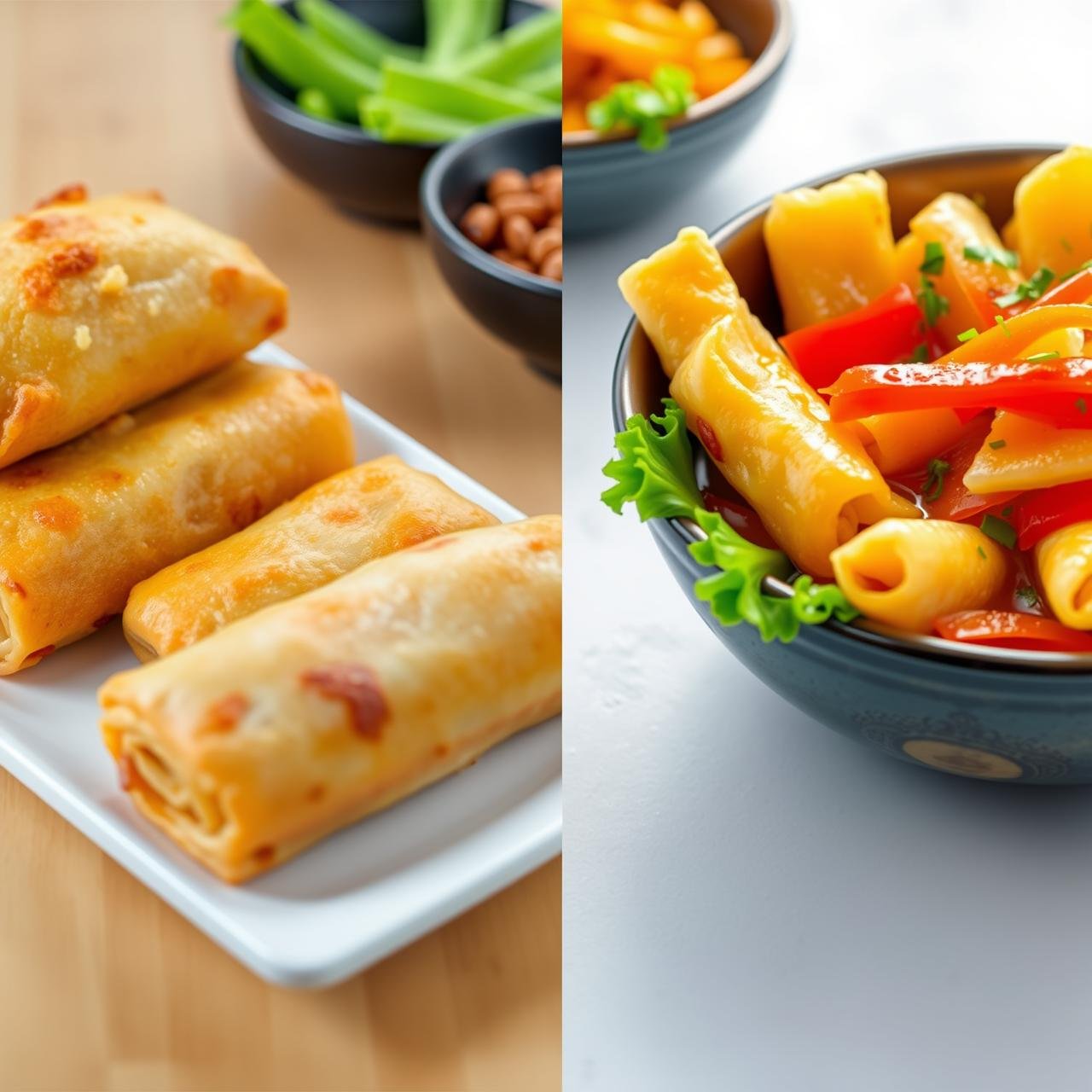
The core concept of an Egg Roll in a Bowl is brilliantly simple: deliver all the crave-worthy flavor of the filling without the deep-fried wrapper. By eliminating the wrapper, you instantly slash calories, unhealthy fats, and refined carbohydrates, making it an ideal choice for low-carb, keto, and gluten-free lifestyles. But the benefits extend beyond what’s removed. The dish champions nutrient density, packing in voluminous, fiber-rich vegetables like cabbage and carrots. This not only aids in digestion but also promotes satiety, helping you feel fuller for longer—a key component in managing weight and achieving fat loss. It’s a perfect example of a ‘volume eating’ strategy, where you can enjoy a hearty portion without derailing your nutritional goals. It’s the ultimate culinary trade-up: more flavor, more nutrients, and less of what holds you back.
The Core Flavor Profile: A Chef’s Breakdown
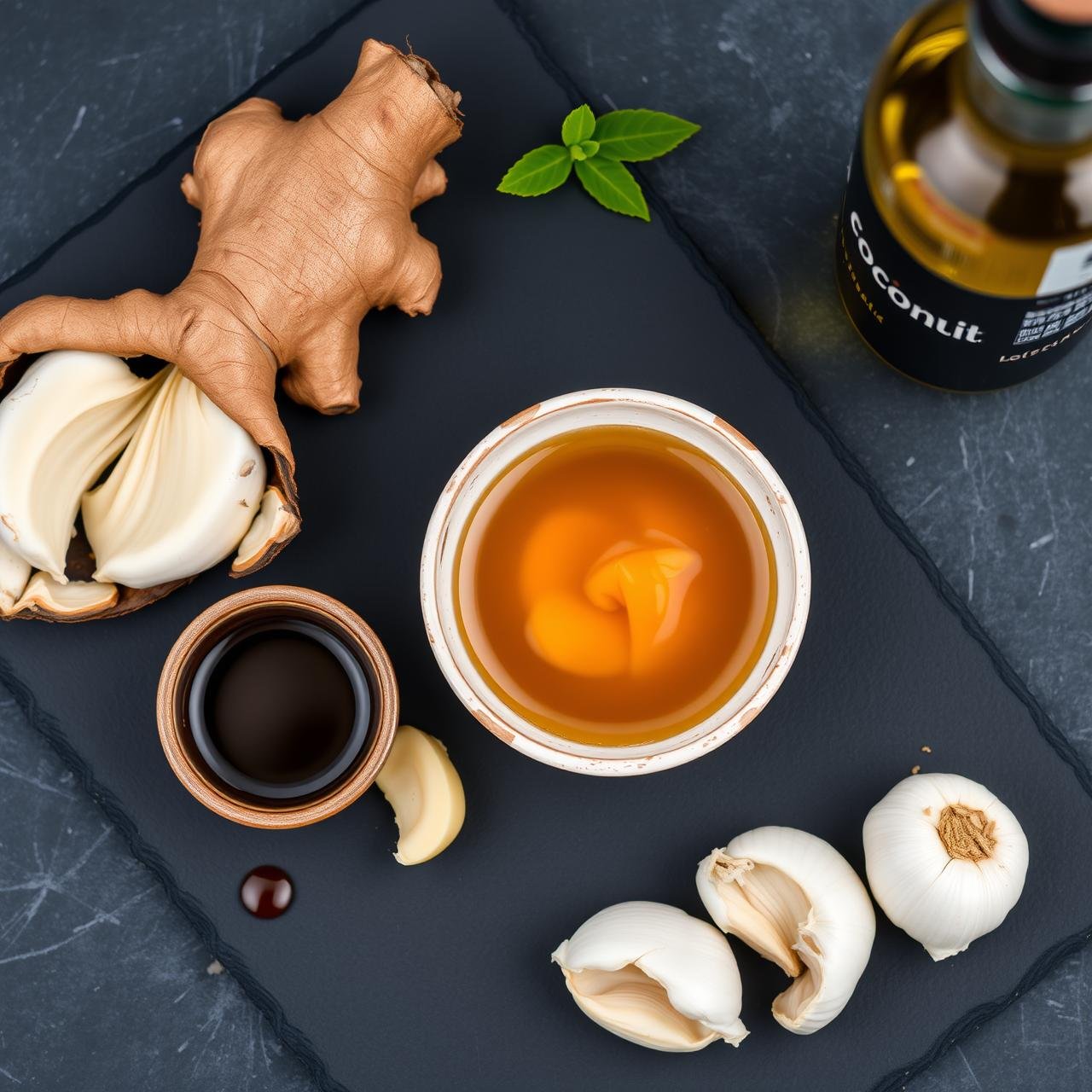
The magic of this dish lies in its perfectly balanced, multi-layered flavor profile that mimics a classic egg roll filling. It’s a symphony of five key tastes: umami, salt, sweet, aromatic, and a touch of heat.
The Umami Foundation
The savory, deeply satisfying ‘fifth taste’ comes primarily from coconut aminos or tamari (a gluten-free soy sauce). This ingredient provides the salty, savory backbone of the entire dish.
Aromatic Depth
Freshly minced garlic and grated ginger are non-negotiable. They provide a pungent, zesty warmth that cuts through the richness of the protein. This aromatic duo is the soul of many Asian-inspired dishes, and here it truly shines.
Nutty Richness
Toasted sesame oil is used as a finishing oil, not a cooking oil. Its low smoke point means it’s best drizzled on at the end to preserve its potent, nutty, and fragrant aroma, which is essential for that authentic taste.
Subtle Acidity
A splash of rice vinegar adds a crucial bright note, lifting the flavors and preventing the dish from feeling too heavy or one-dimensional. It balances the saltiness of the aminos and the richness of the protein.
Essential Kitchen Equipment
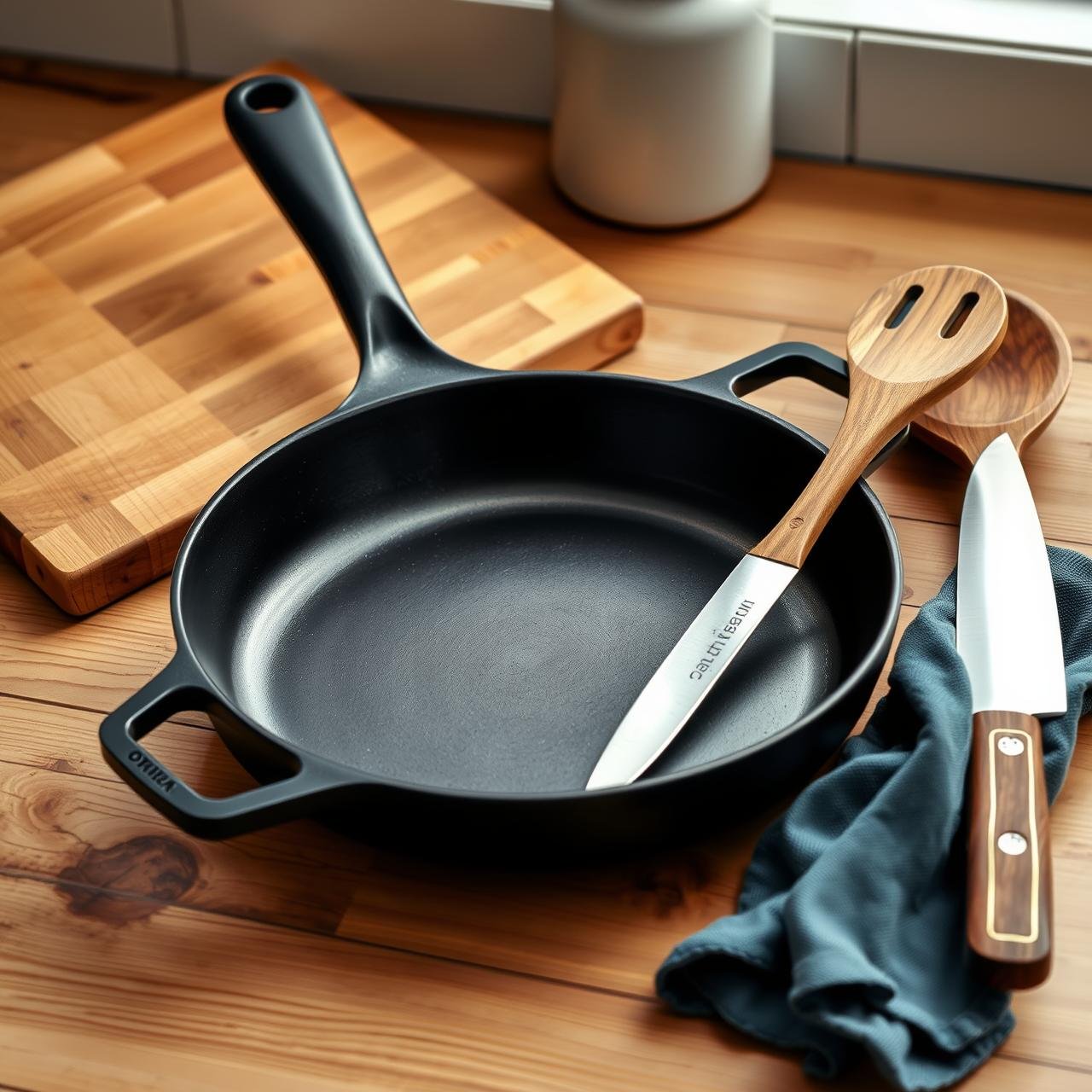
One of the beauties of this recipe is its minimalism, not just in time but in equipment. You don’t need any fancy gadgets. Here is the essential list of tools to ensure a smooth and efficient cooking process from start to finish.
| Equipment | Chef’s Note |
|---|---|
| Large Skillet or Wok | A 12-inch skillet or a wok is ideal. You need enough surface area to brown the meat properly and ample space to toss the cabbage without it spilling over. Cast iron or non-stick will work well. |
| Sharp Chef’s Knife | Essential for mincing the garlic, grating the ginger, and slicing the green onions. A sharp knife makes prep work faster and safer. |
| Cutting Board | A large, stable cutting board is your primary workspace. Use a separate one for meat and vegetables if possible to prevent cross-contamination. |
| Wooden Spoon or Spatula | Needed for breaking up the ground meat as it cooks and for stirring all the ingredients together. |
| Small Bowl or Jar | For mixing the sauce ingredients together before adding them to the skillet. This ensures the flavors are evenly distributed. |
Ingredient Spotlight: The Perfect Protein
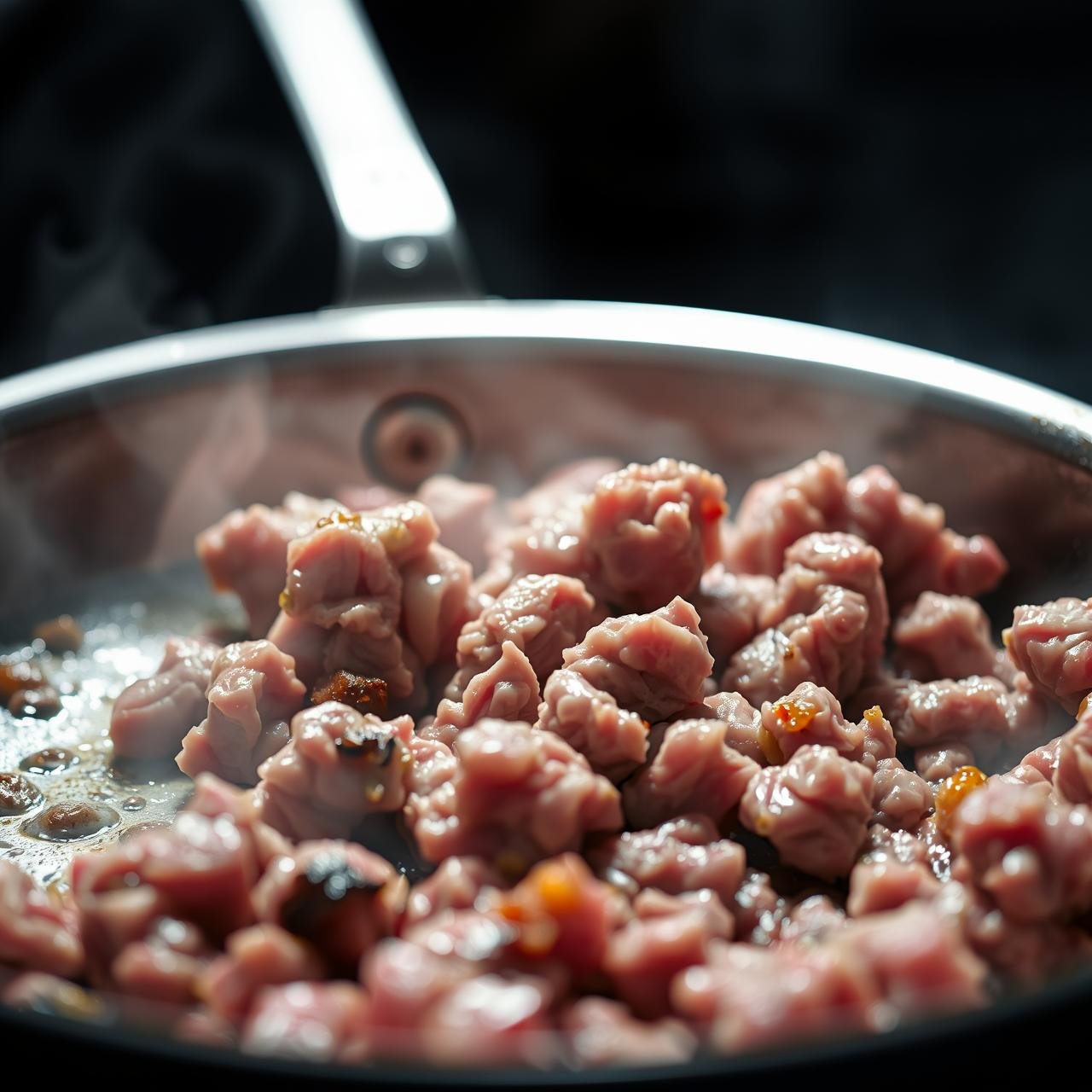
The protein is the hearty foundation of your Egg Roll in a Bowl. While classic egg rolls often use ground pork, you have a wonderful array of options to suit your taste, dietary needs, and what’s in your fridge.
- Ground Pork: This is the traditional choice for a reason. Its higher fat content renders down to create a rich, succulent texture and deep flavor that is simply unparalleled. It pairs perfectly with the classic aromatics.
- Ground Chicken or Turkey: For a leaner option, ground chicken or turkey are excellent choices. They readily absorb the flavors of the sauce and aromatics. Opt for ground thigh meat if possible, as it is more flavorful and less prone to drying out than breast meat.
- Ground Beef: While not traditional, ground beef can certainly work. Choose a leaner ground beef (like 90/10) to avoid an overly greasy result. Its robust flavor creates a heartier, more ‘westernized’ version of the dish.
- Plant-Based Option (Tofu or Tempeh): For a vegetarian or vegan version, use a block of extra-firm tofu, pressed and crumbled, or crumbled tempeh. Sauté it until golden brown before adding the other ingredients to develop a firm, meaty texture.
Ingredient Spotlight: The Cabbage & Carrot Base
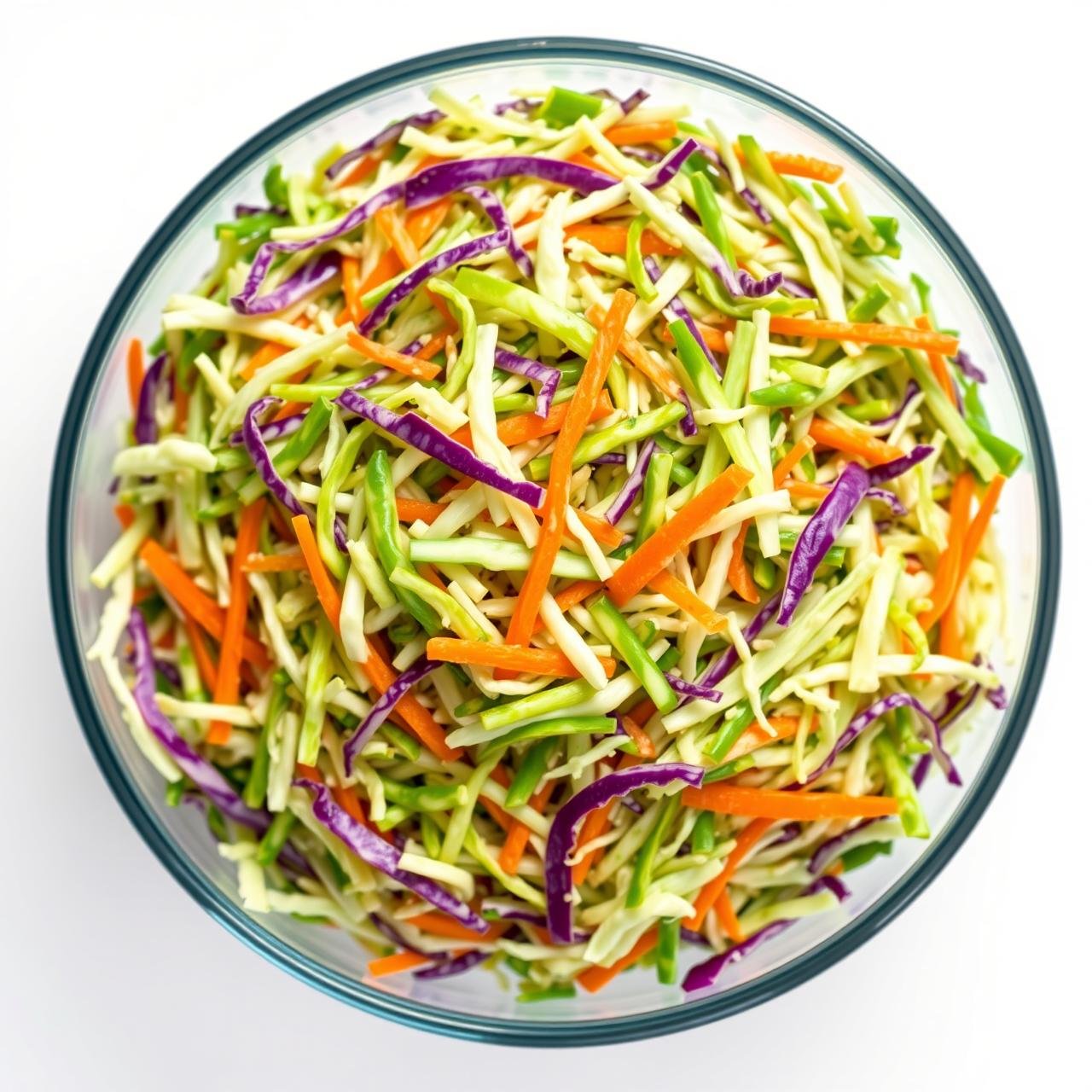
The vegetable base is what gives this dish its signature crunch, volume, and nutritional punch. The combination of cabbage and carrots is classic, providing a slight sweetness and a satisfying texture that holds up well to cooking.
The Ultimate Shortcut: Bagged Coleslaw Mix
For a true 15-minute meal, a bag of pre-shredded coleslaw mix (typically containing green cabbage, red cabbage, and carrots) is your best friend. It eliminates all the washing, peeling, and shredding, saving you precious time and effort. Look for a mix without any dressing included.
The Fresh Approach
If you have a bit more time or prefer the freshness of shredding your own, it’s a simple task. Use a food processor with a shredding attachment for the quickest results, or simply use a sharp knife to thinly slice half a head of green cabbage and shred a couple of carrots with a box grater. The key is to get the shreds relatively fine so they cook quickly and evenly.
The Aromatic Trio: Garlic, Ginger, and Onion
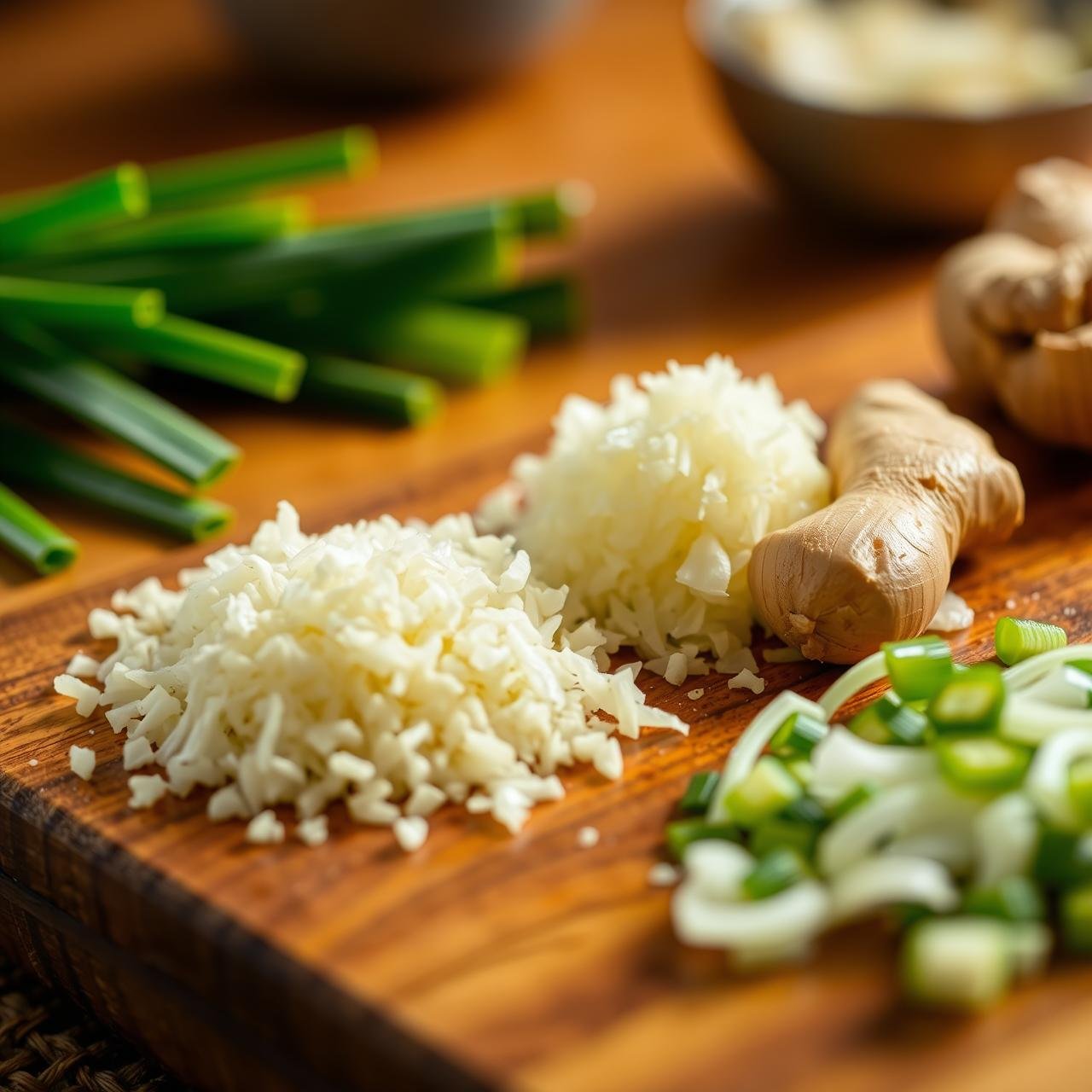
The foundational layer of flavor in this dish comes from a trio of powerful aromatics: garlic, ginger, and onion. Sautéing these at the beginning of the cooking process releases their essential oils, creating an incredibly fragrant base that infuses the entire meal. Do not substitute with powders if you can help it; the flavor of fresh is vastly superior.
- Garlic: Provides a pungent, savory depth. Mince it finely to ensure it distributes evenly throughout the dish.
- Ginger: Offers a warm, spicy, and slightly sweet counterpoint. Grate it on a microplane or fine grater to release its juices and create a paste-like consistency that melts into the sauce.
- Green Onions (Scallions): These play a dual role. The white and light green parts are sliced and added with the aromatics for a mild onion flavor during cooking. The dark green tops are reserved and used as a fresh, crisp garnish at the end, adding a final burst of color and gentle sharpness.
Crafting the Signature Sauce
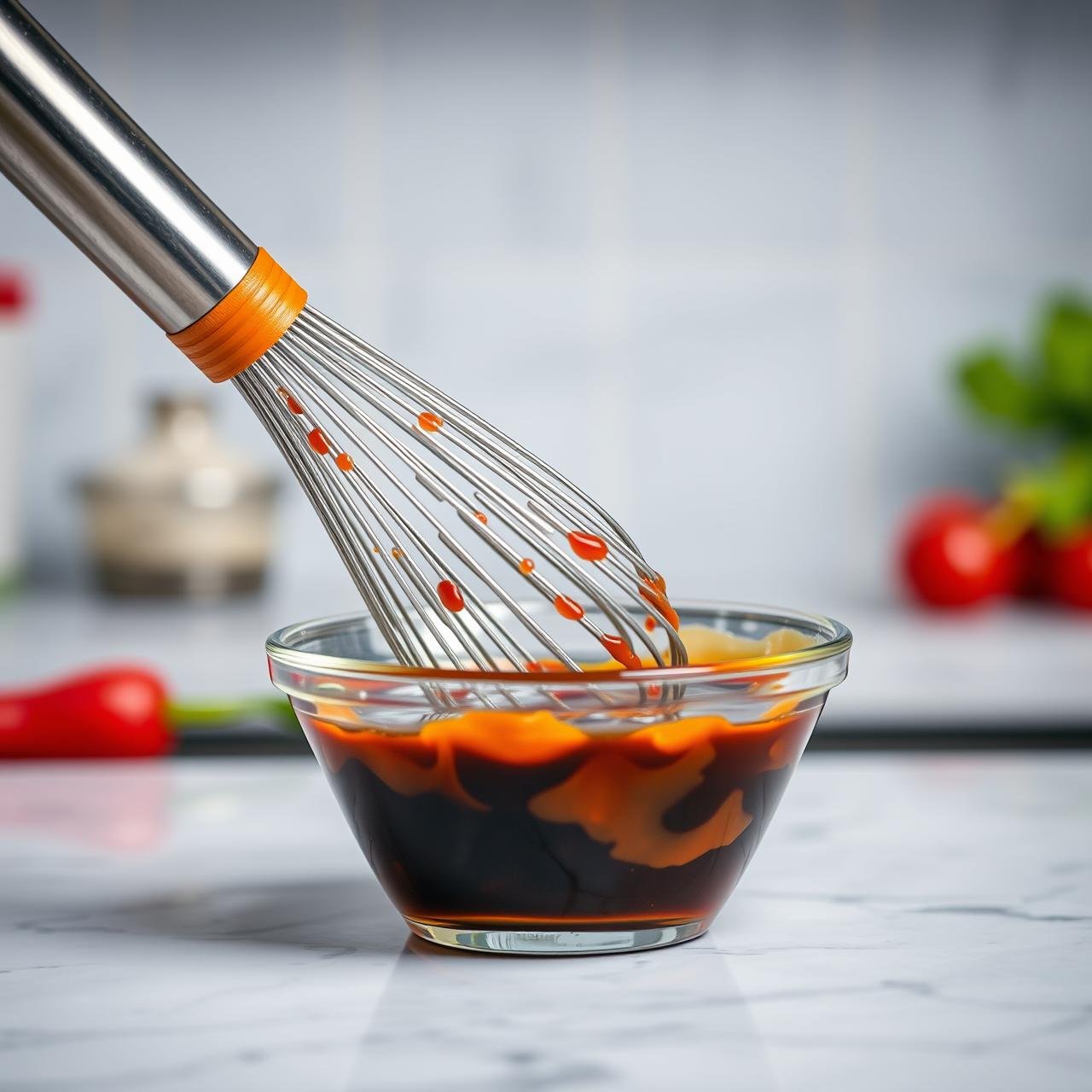
The sauce is what ties everything together, transforming simple cooked meat and vegetables into a cohesive, flavor-packed dish. Whisking the sauce ingredients in a separate bowl before adding them to the pan is a crucial chef’s technique. It ensures everything is fully combined and allows you to taste and adjust the balance before it hits the heat. Here are the components:
- The Base: 1/4 cup of coconut aminos, tamari, or low-sodium soy sauce. This provides the primary salt and umami flavor.
- The Aroma: 1 teaspoon of toasted sesame oil. Remember, this is for flavor, not for cooking. Its nutty fragrance is key.
- The Acidity: 1 tablespoon of rice vinegar. This brightens all the other flavors and adds a subtle tang.
- The Heat (Optional): 1-2 teaspoons of sriracha or a pinch of red pepper flakes. Adjust to your personal preference for spice.
Simply whisk these ingredients together in a small bowl until smooth. Your flavor powerhouse is now ready.
Step 1: Searing the Protein
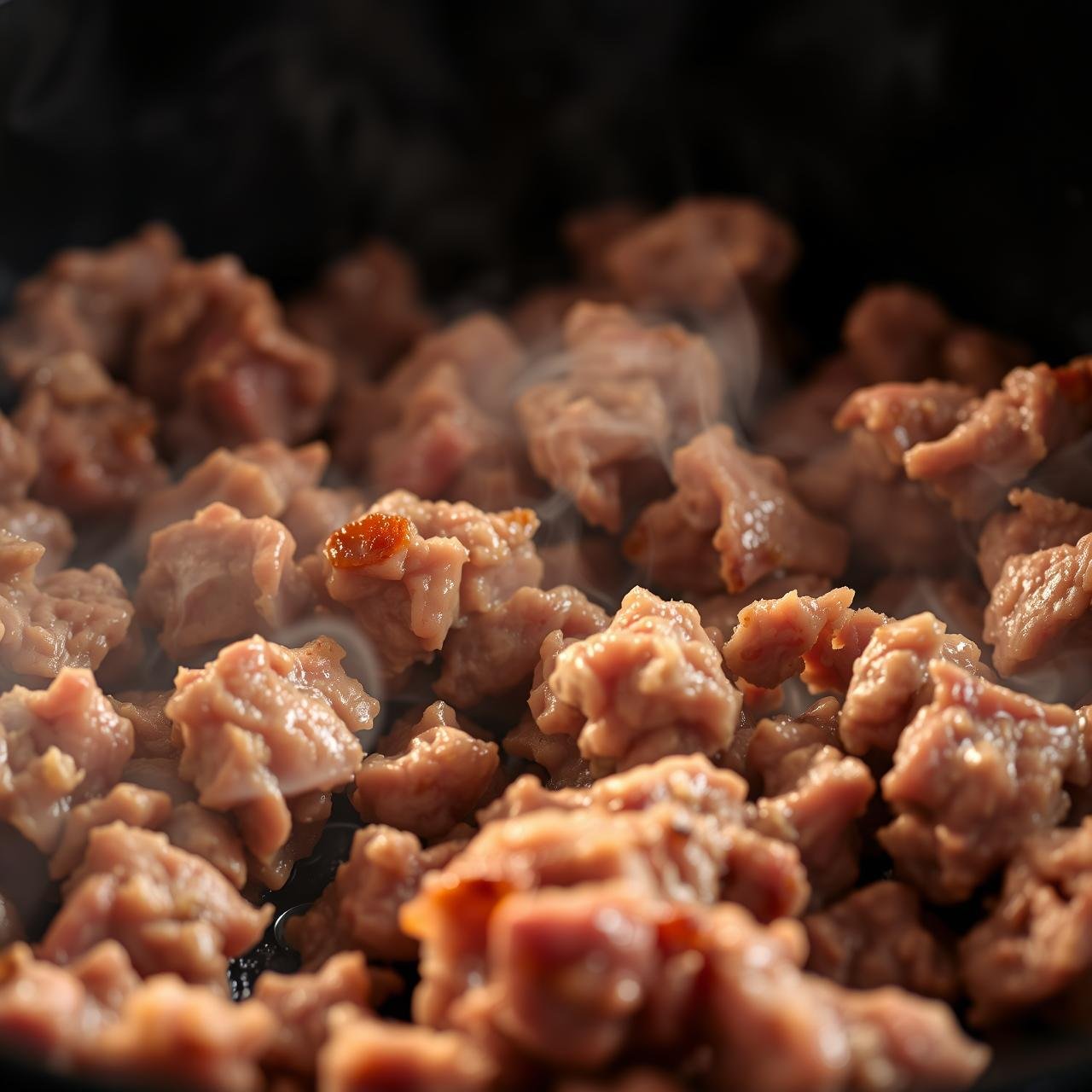
The first and most critical cooking step is to achieve a perfect sear on your protein. This process, known as the Maillard reaction, is where flavor is born. It’s the chemical reaction between amino acids and reducing sugars that gives browned food its distinctive taste. Don’t rush this step!
- Heat 1 tablespoon of avocado oil or your preferred high-heat cooking oil in a large skillet or wok over medium-high heat. The pan must be hot before you add the meat.
- Add 1 pound of your chosen ground protein (pork, chicken, turkey) to the hot skillet.
- Use a wooden spoon or spatula to break the meat into small crumbles.
- Let the meat cook, stirring only occasionally, for about 5-7 minutes. You want to allow it to sit on the hot surface long enough to develop a deep brown crust. Avoid constantly stirring, which will steam the meat rather than sear it.
- Cook until the meat is no longer pink and is nicely browned. If using a fattier meat like pork, drain off any excess grease before proceeding to the next step.
Step 2: Sautéing the Aromatics
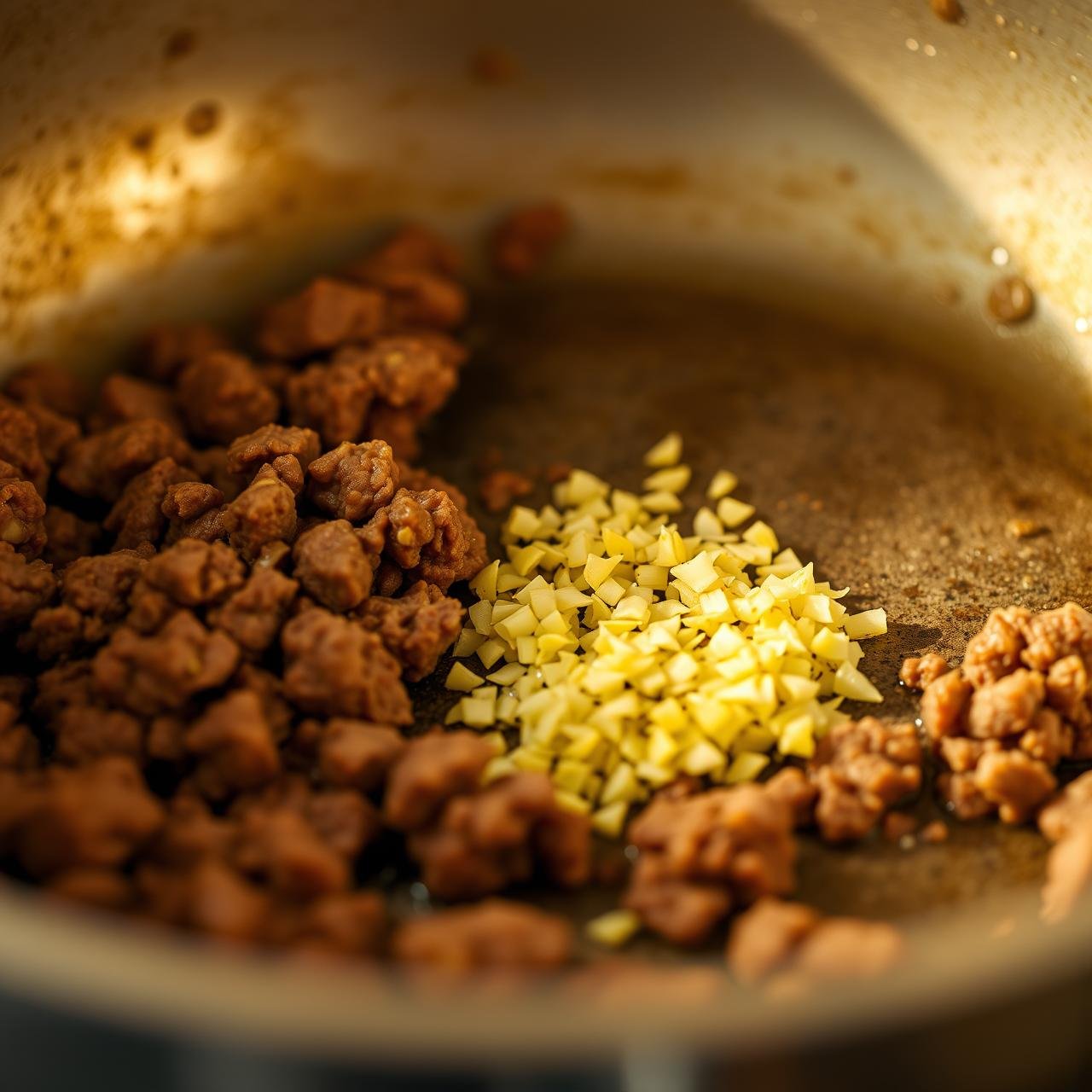
With the protein perfectly browned, it’s time to build the next layer of flavor by blooming the aromatics. This quick step takes less than a minute but is fundamental to the final taste of the dish.
- Push the cooked protein to one side of the skillet, creating a clear space on the hot surface. If the pan seems dry, you can add another small drizzle of oil.
- Add the minced garlic, grated ginger, and the white/light green parts of the sliced green onions to the empty space in the skillet.
- Sauté the aromatics, stirring them constantly for about 30-60 seconds until they become incredibly fragrant. You’ll know they’re ready when the smell of garlic and ginger fills your kitchen. Be very careful not to burn the garlic, as it will become bitter.
- Once fragrant, stir the aromatics into the cooked protein until everything is well combined.
Step 3: Wilting the Slaw
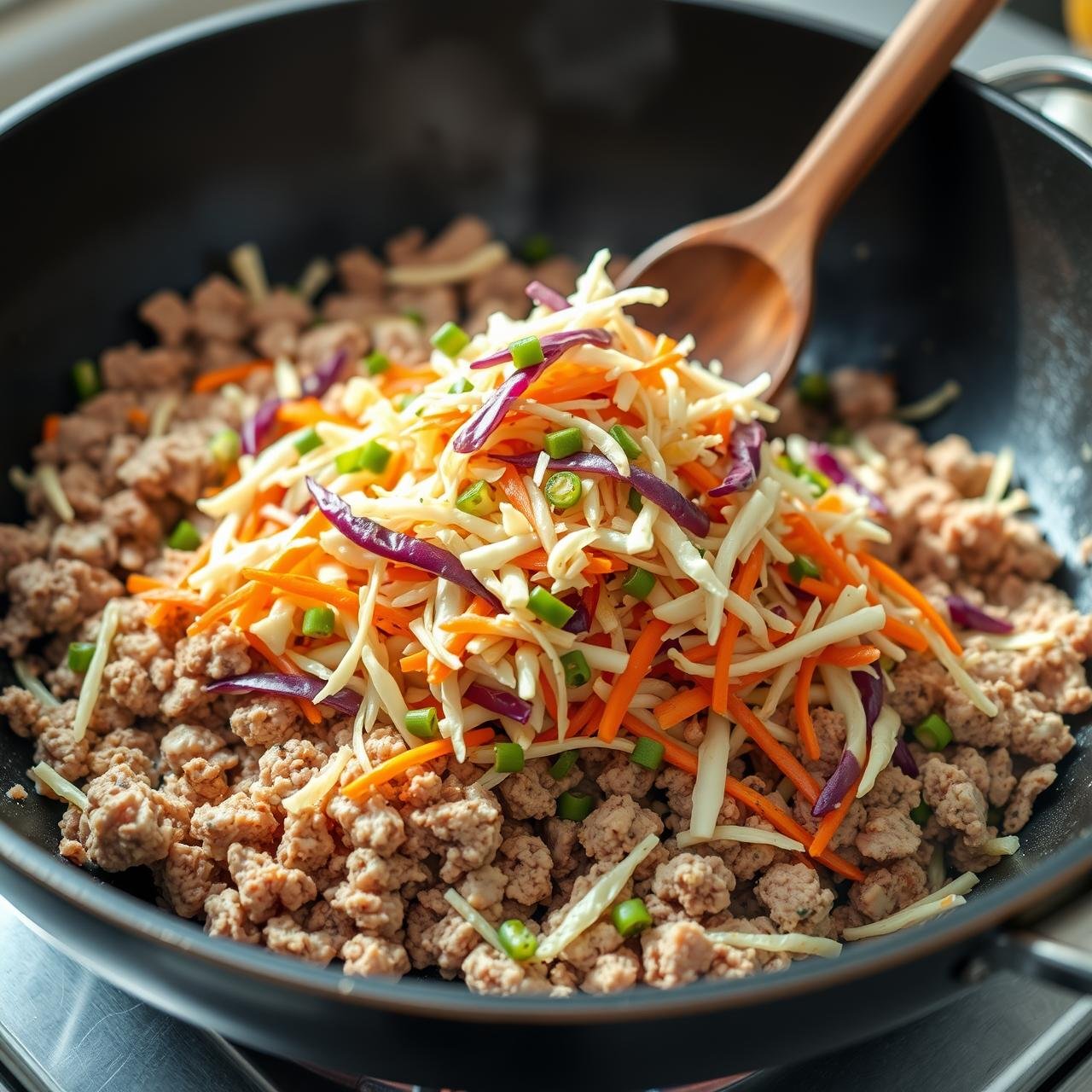
Now it’s time to add the volume and the crunch. The goal here is to cook the cabbage and carrots until they are tender-crisp, not mushy. They should retain a slight bite to provide a pleasing textural contrast in the final dish.
- Add the entire bag (approximately 14-16 ounces) of coleslaw mix directly into the skillet on top of the meat and aromatic mixture. It will look like a mountain of vegetables, but don’t worry, it will cook down significantly.
- Use your spatula or a pair of tongs to gently toss the coleslaw mix with the meat, working from the bottom up. Continue to stir and toss for about 3-4 minutes.
- The cabbage will begin to wilt and reduce in volume by about half. It should be vibrant in color and tender but still have a slight crispness to it. This is the perfect texture.
Step 4: Combining and Simmering
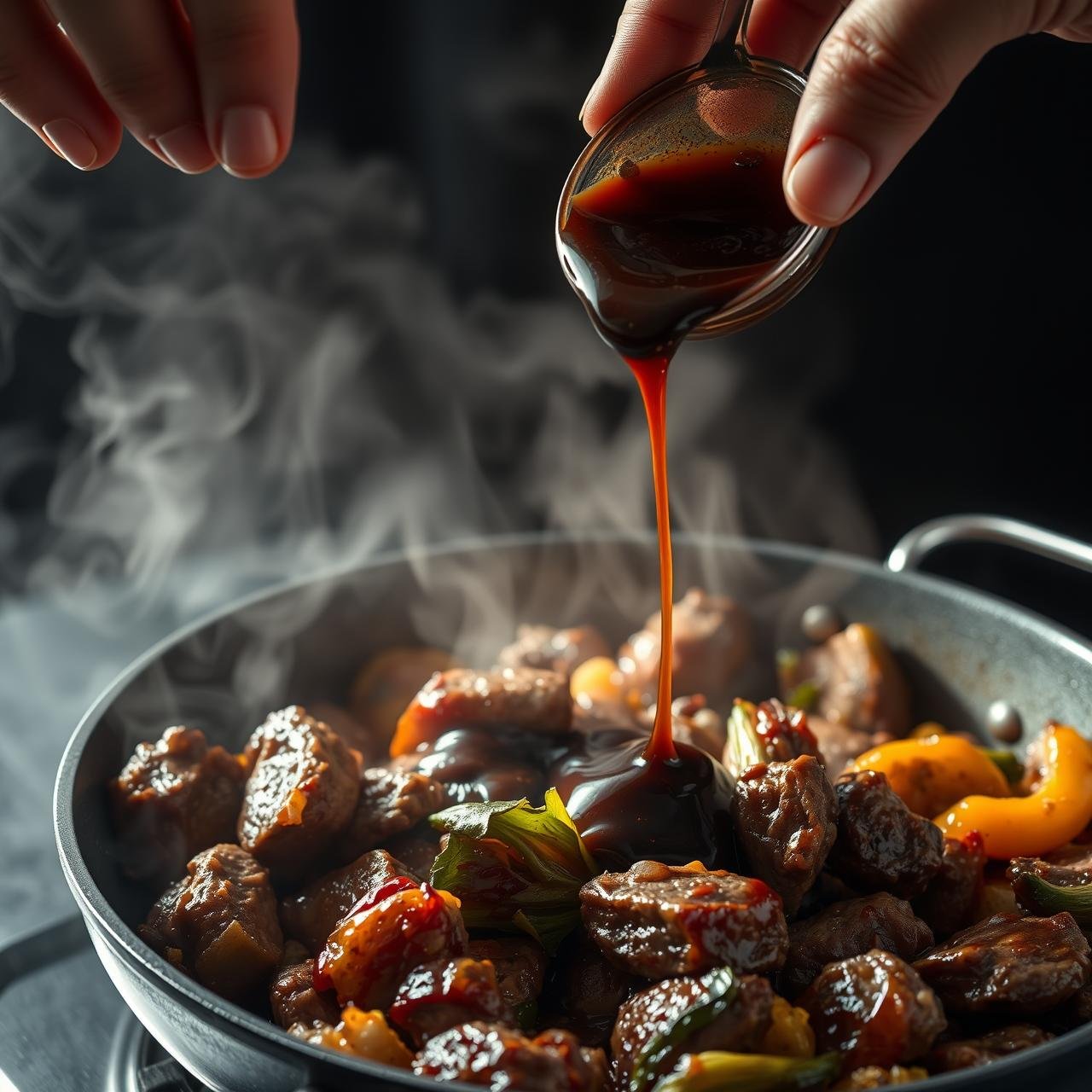
This is the final step where all the components come together. The sauce you prepared earlier will now coat every ingredient, infusing the entire dish with its signature savory, tangy, and aromatic flavor.
- Once the slaw has wilted to your desired tenderness, pour the pre-mixed sauce evenly over the entire contents of the skillet.
- Stir everything together thoroughly, ensuring that the meat and vegetables are completely coated in the sauce.
- Allow the mixture to simmer for 1-2 minutes. This brief simmer allows the sauce to thicken slightly and helps the flavors meld together beautifully.
- Give it a final stir, and then remove the skillet from the heat. Your 15-Minute Egg Roll in a Bowl is now ready to be served.
Garnishes That Elevate
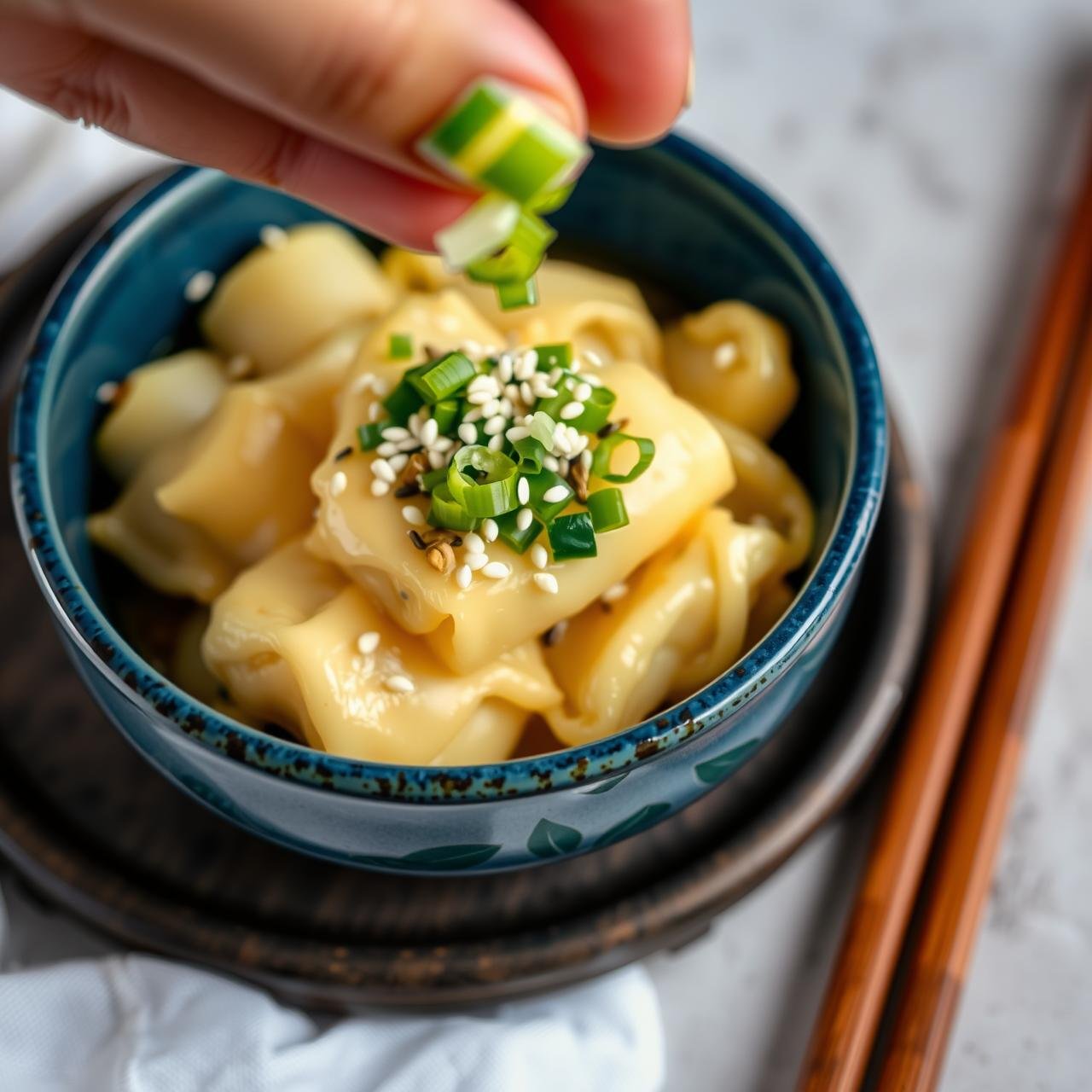
While the dish is delicious on its own, the right garnishes can elevate it from a simple weeknight meal to a truly special dish. Garnishes add fresh textures, vibrant colors, and complementary flavors. Here are some chef-approved suggestions:
- Fresh Green Onions: The reserved dark green tops, thinly sliced, are essential. They add a fresh, mild onion bite and a pop of color.
- Sesame Seeds: A sprinkle of toasted white or black sesame seeds adds a nutty flavor and a delightful, subtle crunch.
- Sriracha or Chili Garlic Sauce: For those who like it spicy, a final drizzle of sriracha adds a kick of heat and a touch of vinegary sweetness.
- Crunchy Noodles: For those not strictly following a low-carb diet, a handful of crispy chow mein noodles provides the crunch that the egg roll wrapper would have.
- Bean Sprouts: Fresh bean sprouts can be tossed in during the last minute of cooking or added raw on top for a crisp, watery crunch.
Meal Prep & Storage Solutions
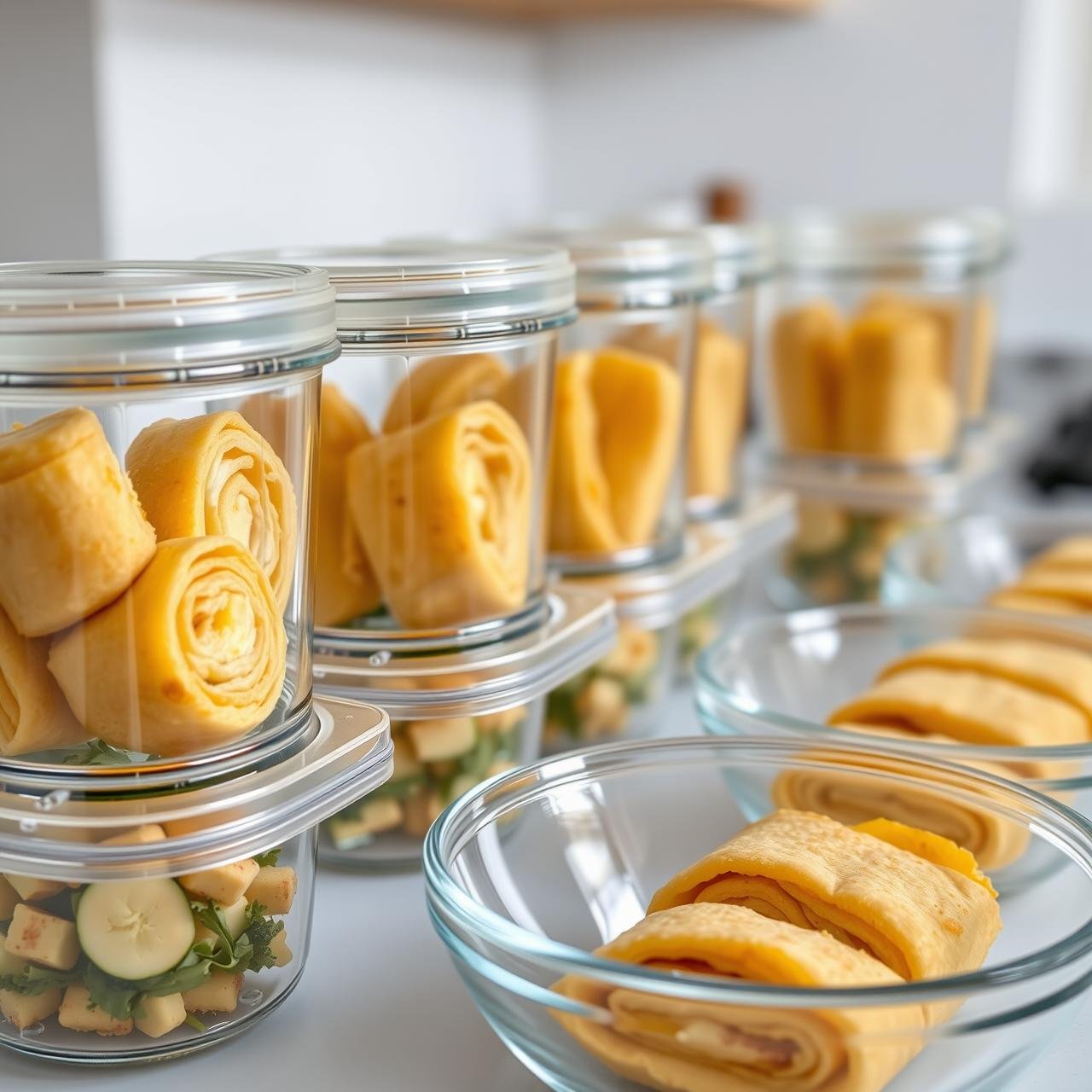
This recipe is a meal prepper’s dream. It’s incredibly easy to make a large batch, and it stores and reheats beautifully, making it perfect for grab-and-go lunches or quick dinners throughout the week.
To Store:
Allow the cooked Egg Roll in a Bowl to cool completely to room temperature. Portion it into airtight containers. It will keep well in the refrigerator for up to 4 days. Keeping the garnishes separate and adding them just before serving is recommended to maintain their freshness and crunch.
To Reheat:
The best way to reheat is in a skillet over medium heat for a few minutes until warmed through. This helps to revive the texture. However, it also reheats perfectly well in the microwave. Simply microwave on high for 60-90 seconds, stirring halfway through, until hot.
Nutritional Information Breakdown
This dish is designed to be both delicious and aligned with a healthy lifestyle, particularly for those focused on fat loss. It’s high in protein and fiber, and low in carbohydrates. Below is an estimated nutritional breakdown per serving, assuming the recipe makes 4 servings and uses lean ground pork.
| Nutrient | Amount per Serving (Approx.) |
|---|---|
| Calories | 380 kcal |
| Protein | 28g |
| Fat | 25g |
| Carbohydrates | 12g |
| Fiber | 5g |
| Net Carbs | 7g |
| Sodium | 550mg (with coconut aminos) |
Disclaimer: Nutritional information is an estimate and can vary based on the specific ingredients and portion sizes used.
Creative Variations & Add-Ins
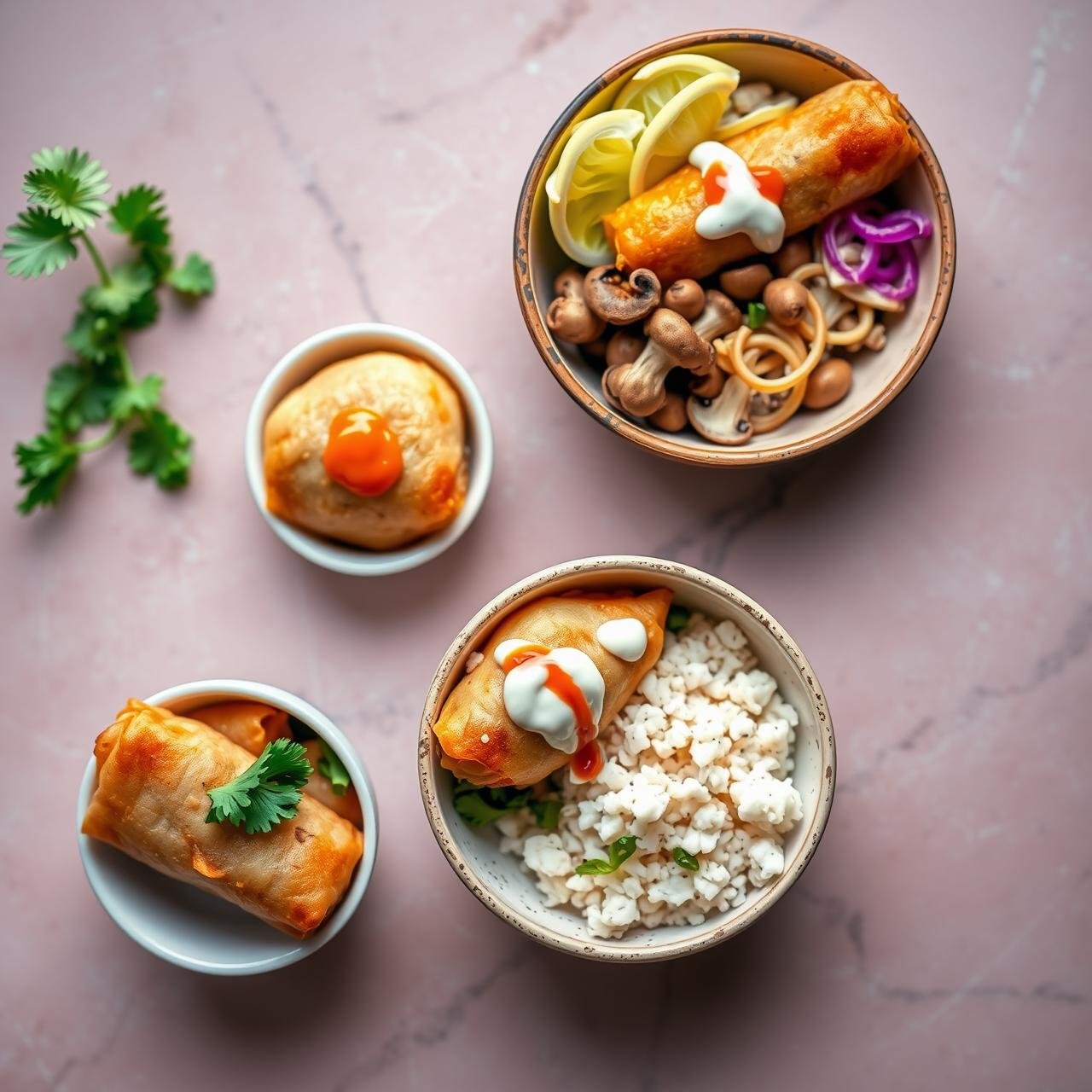
Once you’ve mastered the basic recipe, feel free to get creative and make it your own. This dish is incredibly versatile and serves as a perfect canvas for a variety of flavors and textures.
- Add More Veggies: Finely chopped mushrooms, water chestnuts for crunch, edamame, or snow peas can be tossed in with the coleslaw mix to boost the vegetable content.
- Switch Up the Sauce: Add a tablespoon of peanut butter to the sauce for a satay-like flavor, or a touch of hoisin sauce for a deeper, sweeter note (be mindful of sugar content).
- Make it a ‘Crack Slaw’: A popular variation in the keto community involves adding a swirl of sriracha mayo on top for a creamy, spicy finish.
- Serve with a Side: While it’s a complete meal on its own, you can serve it over cauliflower rice to keep it low-carb, or with jasmine rice or quinoa for a heartier meal.
Conclusion
The 15-Minute Egg Roll in a Bowl stands as a testament to the fact that healthy eating doesn’t have to be complicated, time-consuming, or bland. It is a powerhouse of flavor, a model of efficiency, and a perfect partner in your journey towards fat loss and wellness. In less time than it takes to decide on and order takeout, you can have a wholesome, satisfying, and deeply flavorful meal on the table. We encourage you to embrace this recipe as a template. Try it with different proteins, experiment with new vegetables, and adjust the seasonings to create your own perfect bowl. Welcome to your new weeknight dinner obsession.