15-Minute Baked Lemon Herb Salmon: The Ultimate Skinny Dinner (No Fluff)
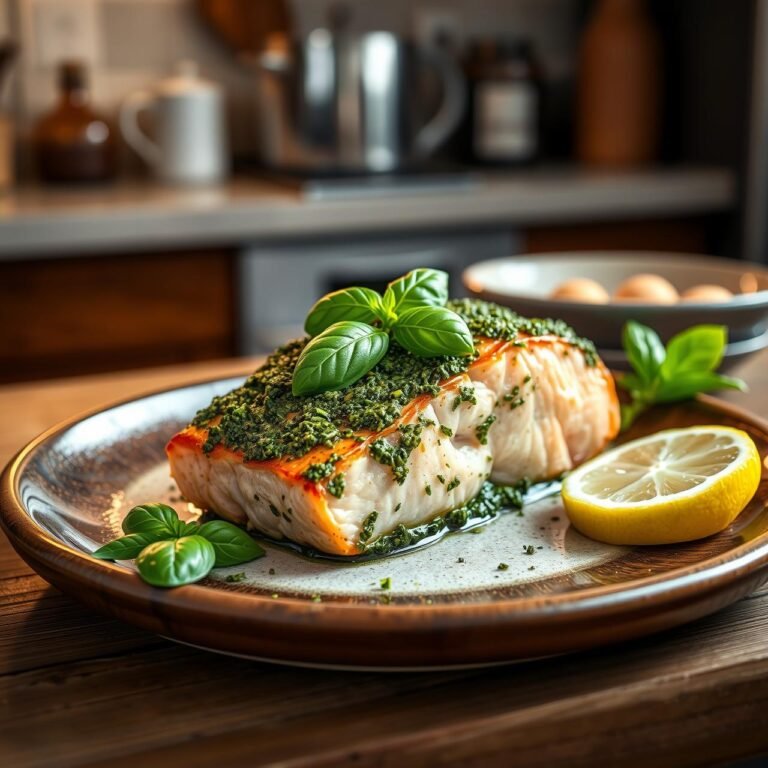
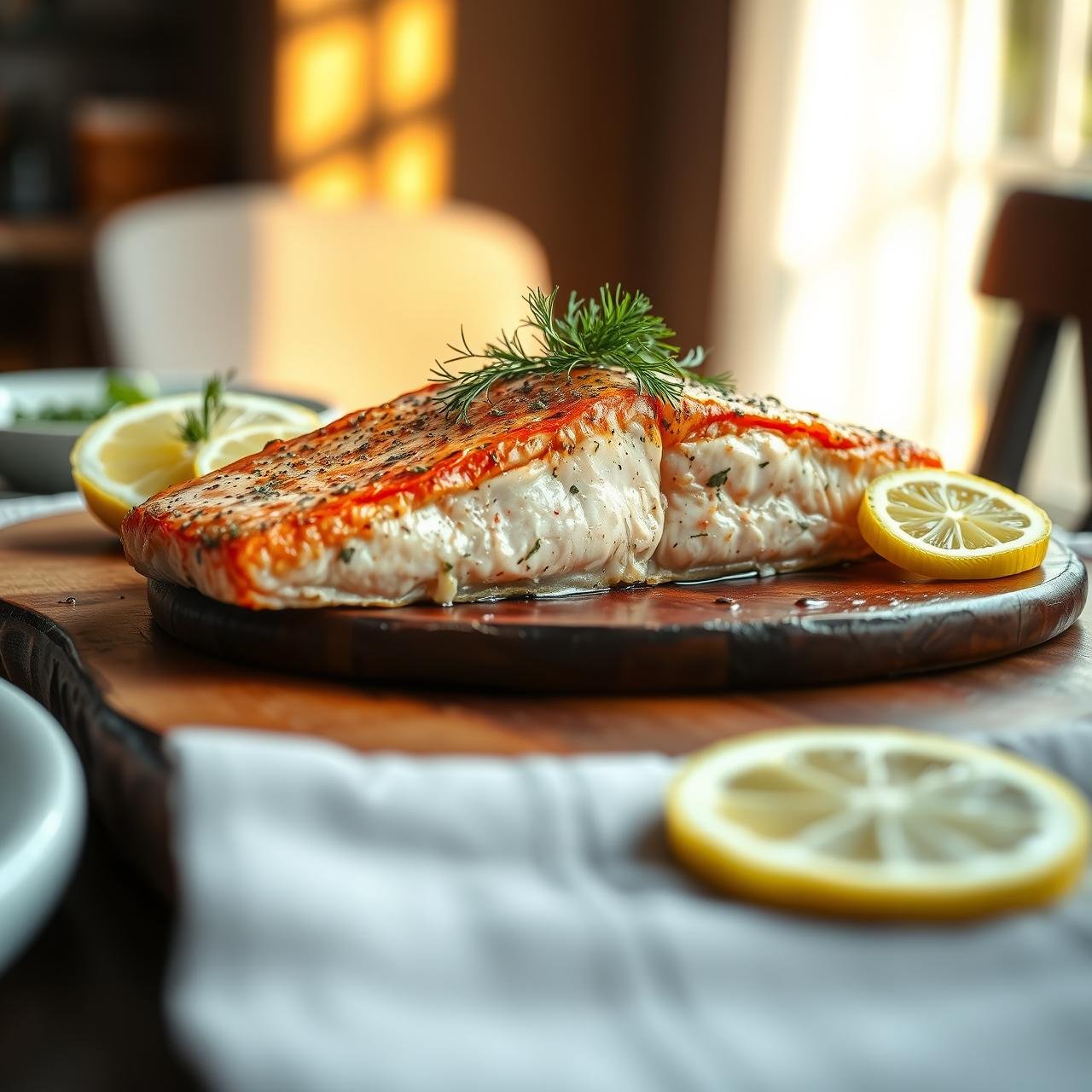
In the relentless rhythm of modern life, the dream of a home-cooked meal that is both profoundly nourishing and effortlessly quick can feel like a distant fantasy. We juggle deadlines, errands, and family, often leaving us to choose between convenience and health. But what if the ultimate skinny dinner—one that tantalizes the taste buds, fuels the body, and respects your precious time—was not a fantasy, but a simple, 15-minute reality? Enter this Baked Lemon Herb Salmon. This isn’t just another recipe; it’s a culinary lifeline. It’s a testament to the idea that wholesome, rustic elegance doesn’t require hours of labor. With a handful of pristine ingredients and a flash of heat, you can create a mouth-watering centerpiece that is flaky, succulent, and singing with the bright, sun-kissed flavors of lemon, garlic, and fresh herbs. Prepare to transform your weeknight dinner routine from a chore into a celebration of clean, simple, and utterly delicious food.
The Philosophy of the 15-Minute Meal
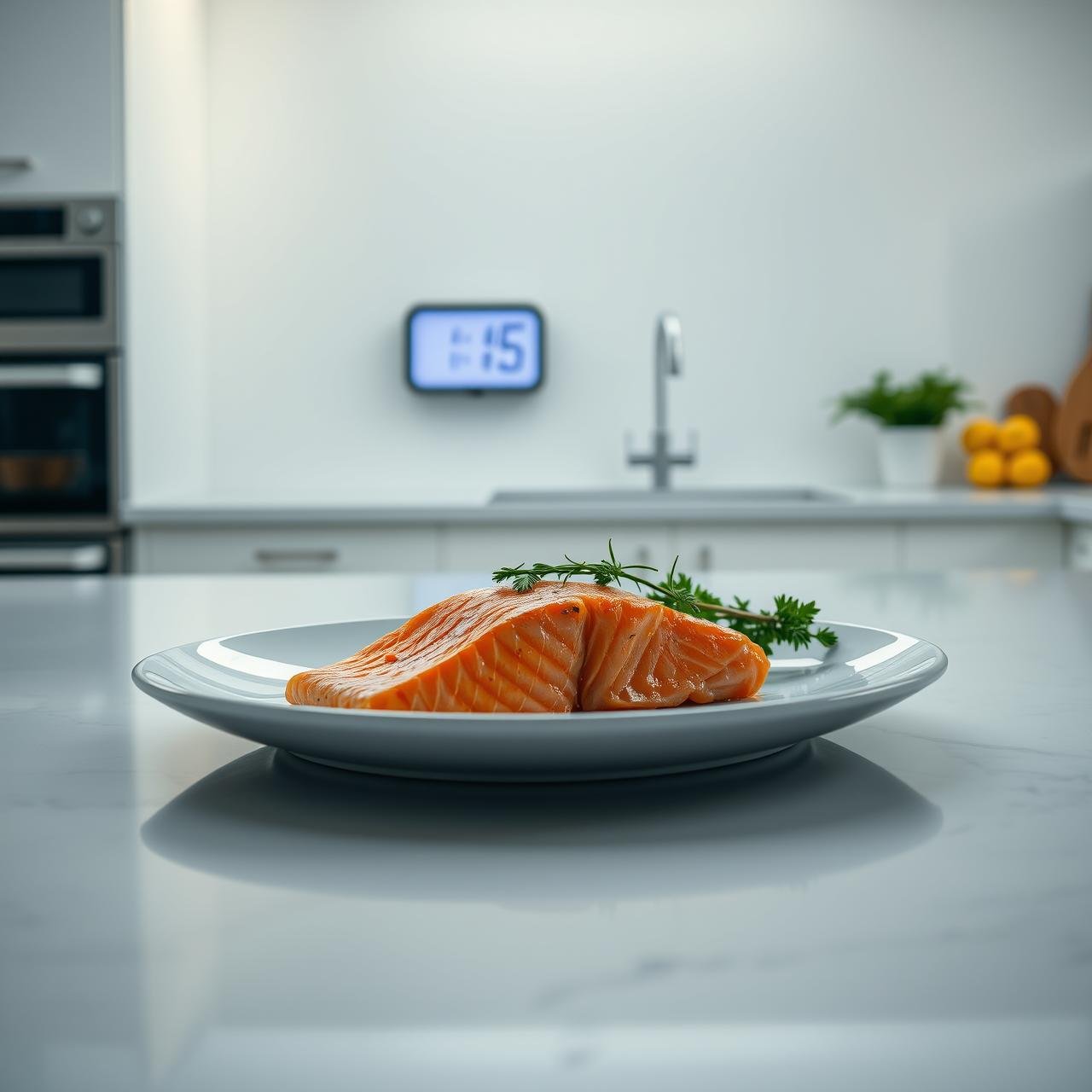
The 15-minute meal is more than a time-saver; it’s a culinary philosophy rooted in efficiency, freshness, and respect for ingredients. It challenges the notion that exceptional food must be complicated. The goal is to maximize flavor and nutrition while minimizing time and stress. This Baked Lemon Herb Salmon embodies this philosophy perfectly. By leveraging a high-heat baking method, we rapidly cook the salmon, locking in its natural moisture and heart-healthy oils. The preparation is a swift, elegant dance of chopping herbs and whisking a simple marinade. There’s no fluff, no unnecessary steps—just a direct path from simple, clean ingredients to a spectacular, healthy meal on your table. It’s about reclaiming your evenings, allowing you to savor a moment of delicious tranquility without sacrificing your commitment to well-being.
Why Salmon is a Nutritional Powerhouse
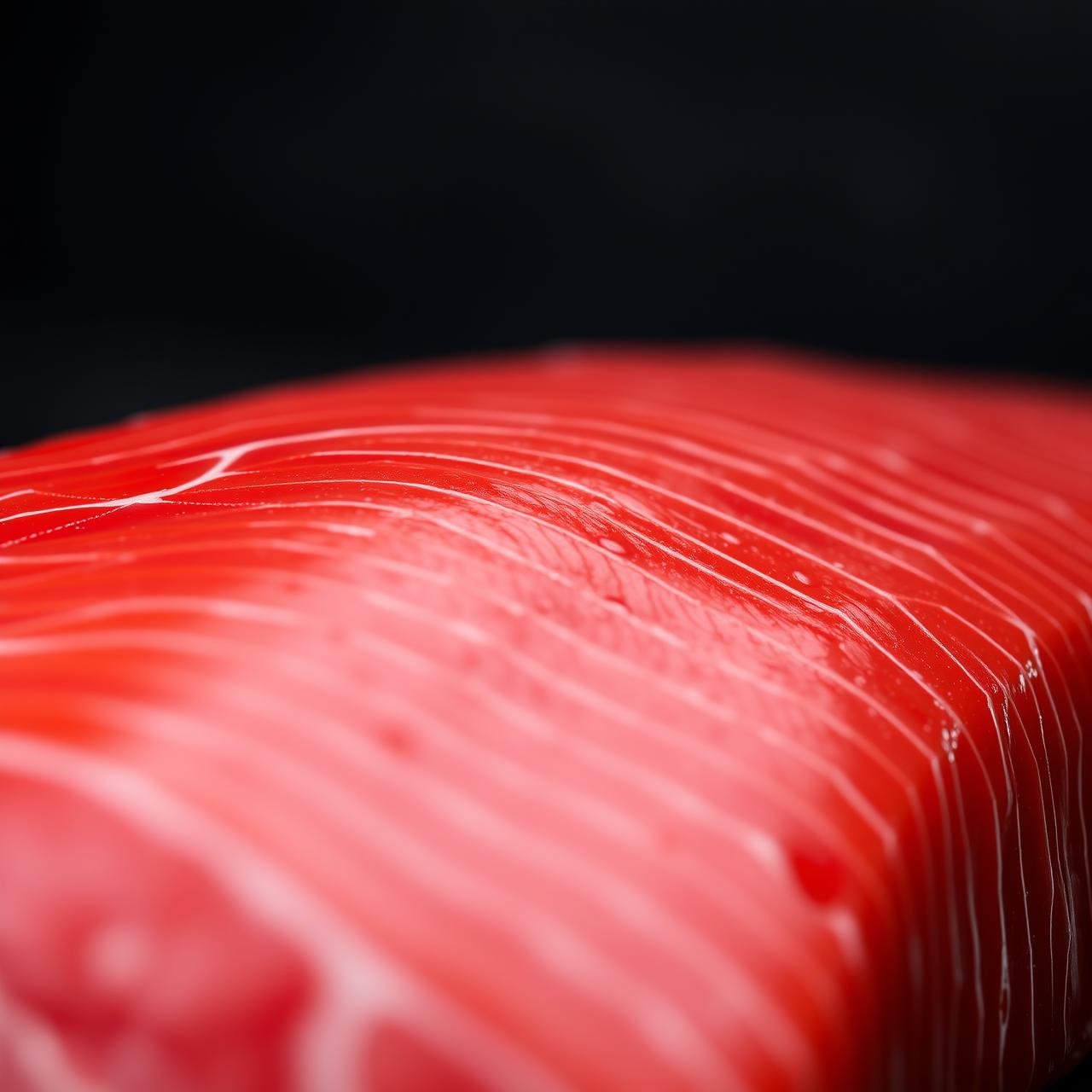
Salmon is celebrated in culinary and health circles for good reason. It’s not just delicious; it’s one of the most nutrient-dense foods available. Each succulent bite is packed with high-quality protein, essential for muscle repair and building a strong, healthy body. But the true star of salmon’s nutritional profile is its abundance of omega-3 fatty acids, specifically EPA and DHA. These incredible fats are renowned for their anti-inflammatory properties and are crucial for brain health, cognitive function, and maintaining a healthy heart. Furthermore, salmon is a fantastic source of Vitamin D, B vitamins (especially B12), potassium, and the powerful antioxidant astaxanthin, which gives the fish its characteristic pink hue and supports skin elasticity. Choosing this salmon dinner isn’t just a delicious decision; it’s a powerful investment in your overall health and vitality.
Selecting the Perfect Salmon Fillet: A Buyer’s Guide
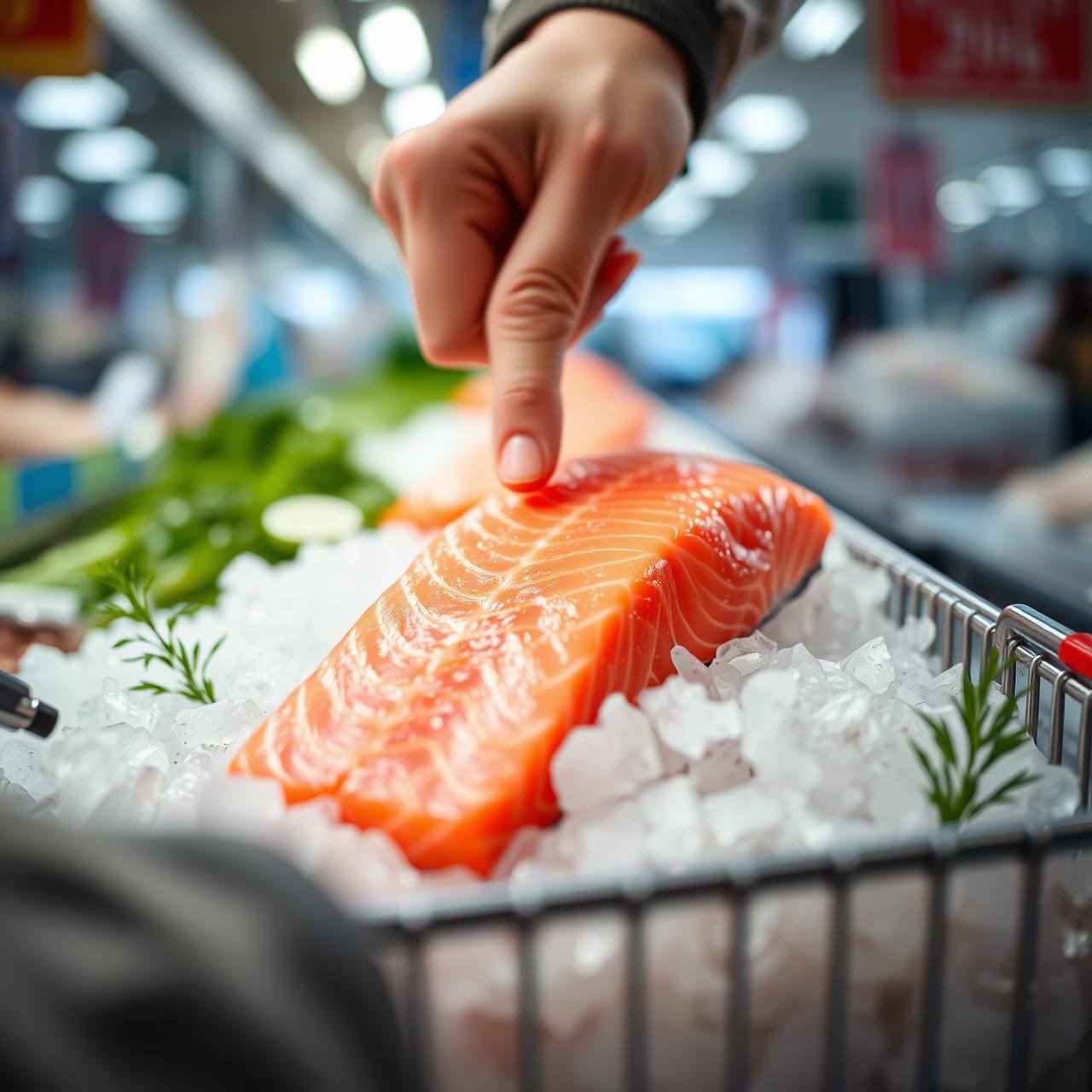
The quality of your final dish begins at the fish counter. Choosing the right salmon fillet can elevate your meal from good to sublime. Here’s what to look for:
Wild-Caught vs. Farm-Raised
Wild-caught salmon (like Sockeye or Coho) often has a deeper color, a firmer texture, and a more pronounced, robust flavor. It’s typically lower in fat. Farm-raised salmon (often Atlantic) is milder, more buttery, and higher in fat, which makes it very forgiving to cook. Both are excellent choices, so pick based on your personal preference and budget.
Look for Freshness
Fresh salmon should have a vibrant, saturated color and look moist, not dry or dull. Press it gently with your finger; the flesh should spring back. Avoid any fillets that have a strong, ‘fishy’ odor—fresh salmon should smell clean and of the ocean. If buying a whole fish, look for clear, bright eyes.
Skin-On or Skinless?
For this baked recipe, skin-on is highly recommended. The skin acts as a protective barrier, preventing the delicate flesh from drying out. It also holds a lot of healthy omega-3 fats and, when cooked properly, can become wonderfully crispy and delicious.
The Flavor Foundation: Lemon, Garlic, and Fresh Herbs
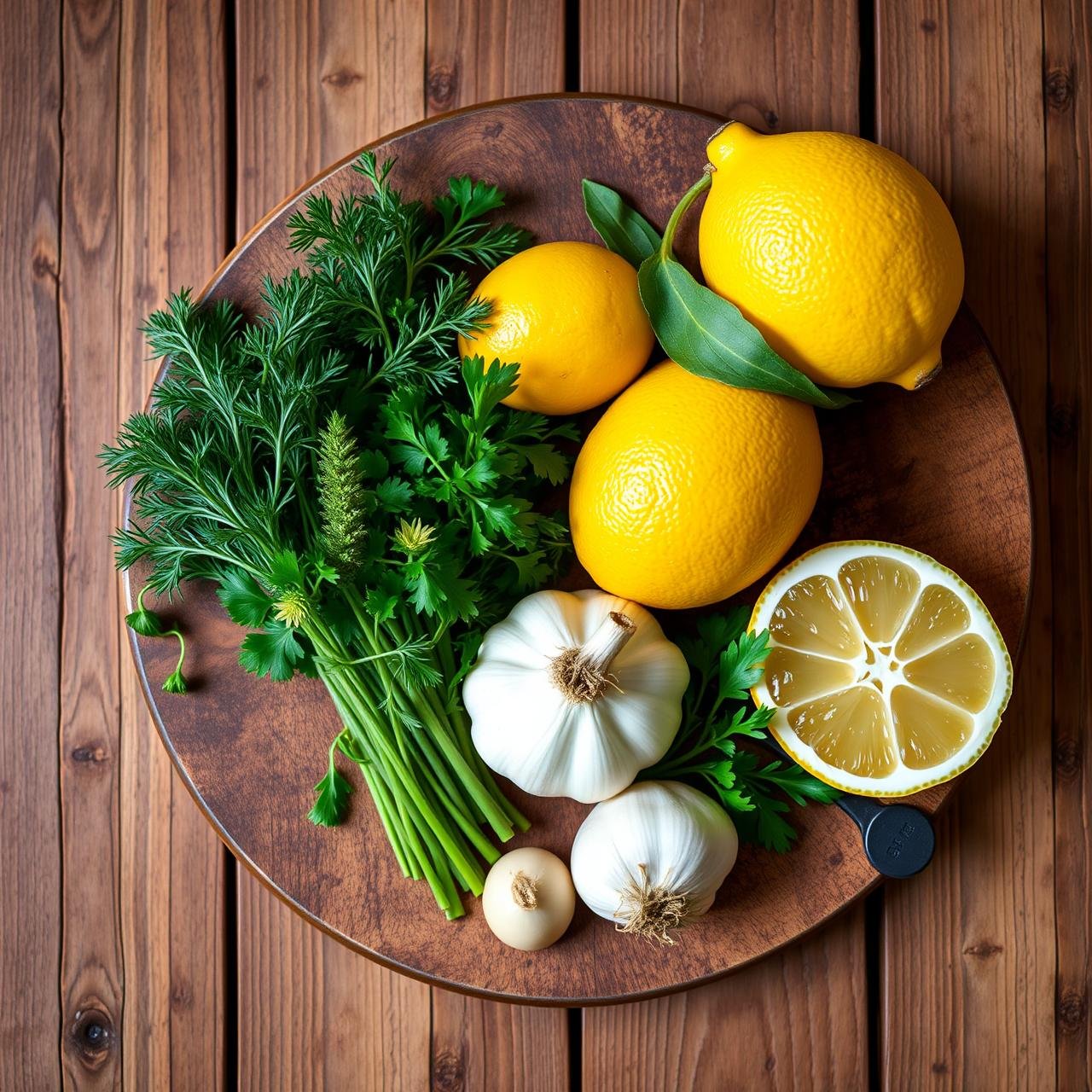
The magic of this recipe lies in its classic, yet potent, flavor combination. It’s a culinary trio that works in perfect harmony. The lemon provides a bright, acidic kick that cuts through the natural richness of the salmon, cleansing the palate and keeping the dish feeling light and vibrant. Freshly minced garlic offers a pungent, aromatic depth that mellows into a sweet, savory note as it bakes. Finally, the fresh herbs—specifically dill and parsley—introduce an earthy, grassy freshness that rounds out the flavor profile. Dill, with its slightly anise-like notes, is a classic partner for salmon, while parsley adds a clean, peppery brightness. Together, they create a marinade that doesn’t mask the beautiful flavor of the fish, but elevates it to its highest potential.
Essential Kitchen Tools for Flawless Salmon
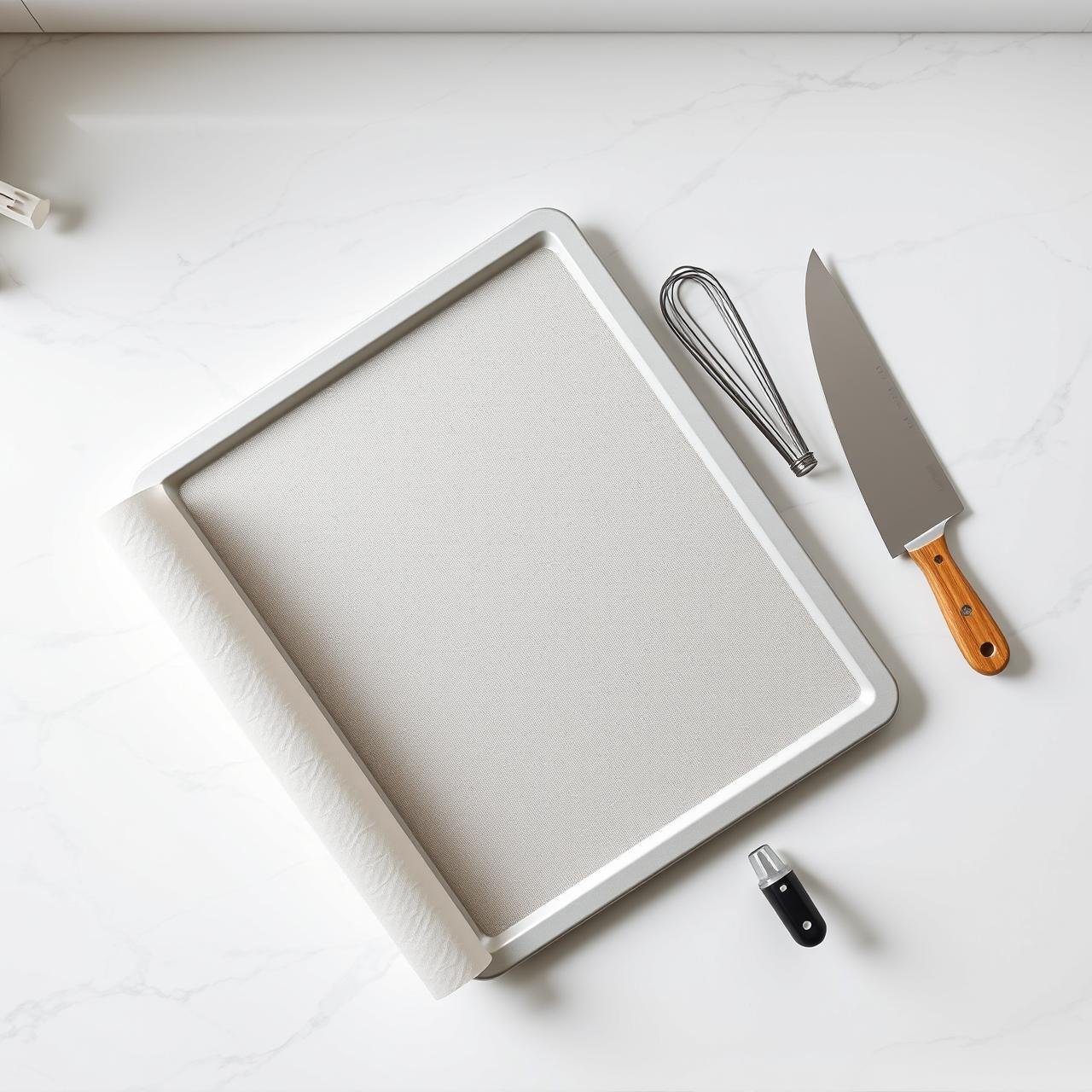
You don’t need a professional kitchen to create this masterpiece, but having the right tools makes the process seamless and guarantees perfect results every time. Here’s your simple, no-fluff toolkit:
| Tool | Why It’s Important |
|---|---|
| Baking Sheet | A sturdy, rimmed baking sheet provides a large, flat surface for even cooking and prevents any delicious juices from spilling into your oven. |
| Parchment Paper | This is your non-stick secret weapon. It prevents the salmon from sticking to the pan, ensures the skin gets crispy, and makes cleanup an absolute breeze. |
| Small Mixing Bowl | For whisking together the lemon herb marinade. Using a separate bowl ensures all the flavors are perfectly combined before they meet the fish. |
| Chef’s Knife & Cutting Board | Essential for mincing your garlic and chopping your fresh herbs. A sharp knife makes prep work faster and safer. |
| Instant-Read Thermometer | While optional, this is the single best tool for eliminating guesswork and ensuring your salmon is cooked to the perfect temperature—moist and flaky, never dry. |
Gathering Your Pristine Ingredients
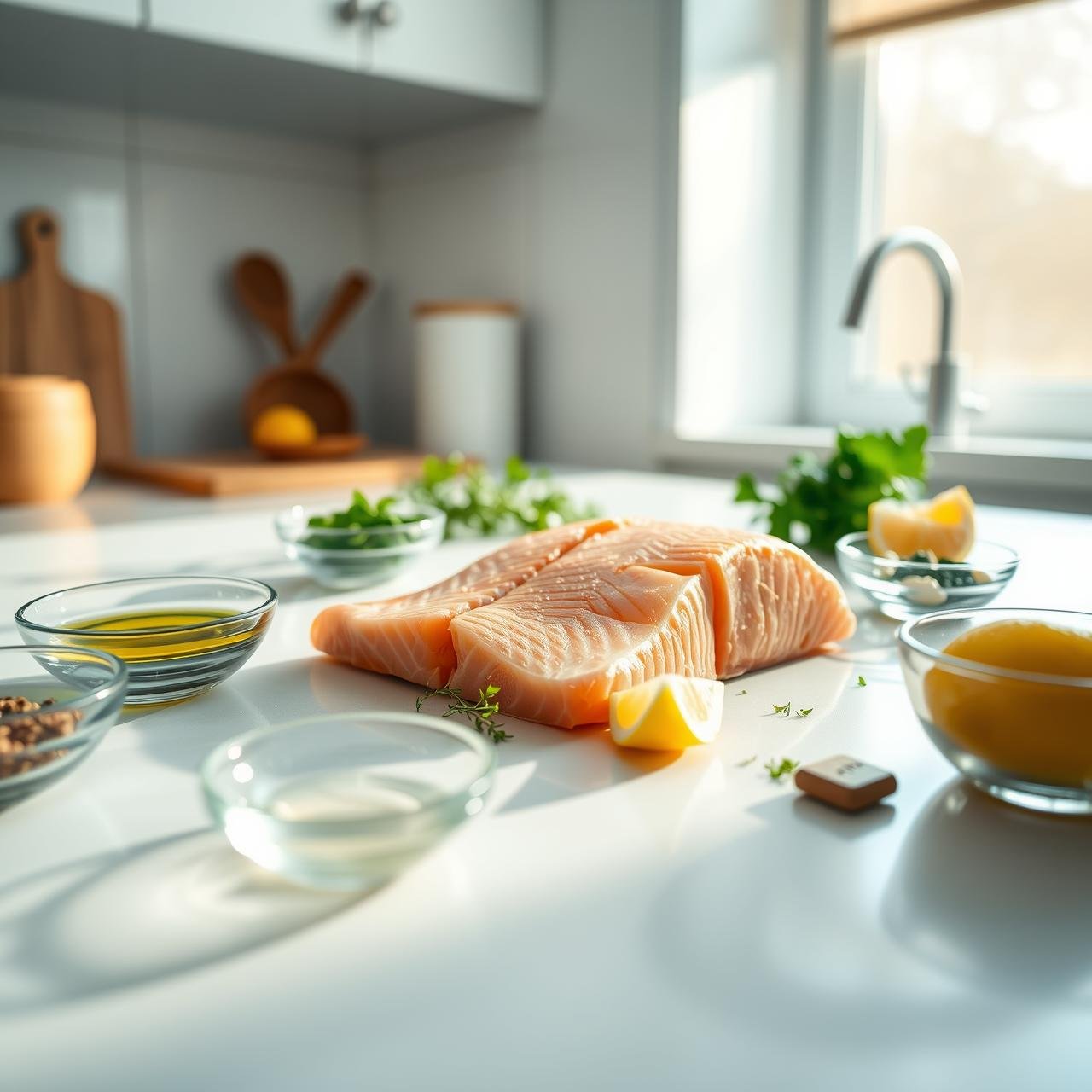
Simplicity is key, and the quality of each ingredient shines through in the final dish. For two generous servings, you will need:
- 2 (6-ounce) salmon fillets, about 1-inch thick, preferably skin-on
- 2 tablespoons of high-quality extra-virgin olive oil
- 2 cloves of garlic, finely minced
- 1 tablespoon of freshly squeezed lemon juice
- 1 tablespoon of freshly chopped dill
- 1 tablespoon of freshly chopped flat-leaf parsley
- 1/2 teaspoon of fine sea salt
- 1/4 teaspoon of freshly ground black pepper
- 4-5 thin lemon slices, for topping
- Extra fresh dill and lemon wedges, for garnish
Chef’s Note: Don’t be tempted to use bottled lemon juice or dried herbs. The vibrant, fresh flavor from real lemons and herbs is absolutely essential for this recipe’s signature taste.
Step 1: Preheat & Prepare Your Baking Sanctuary
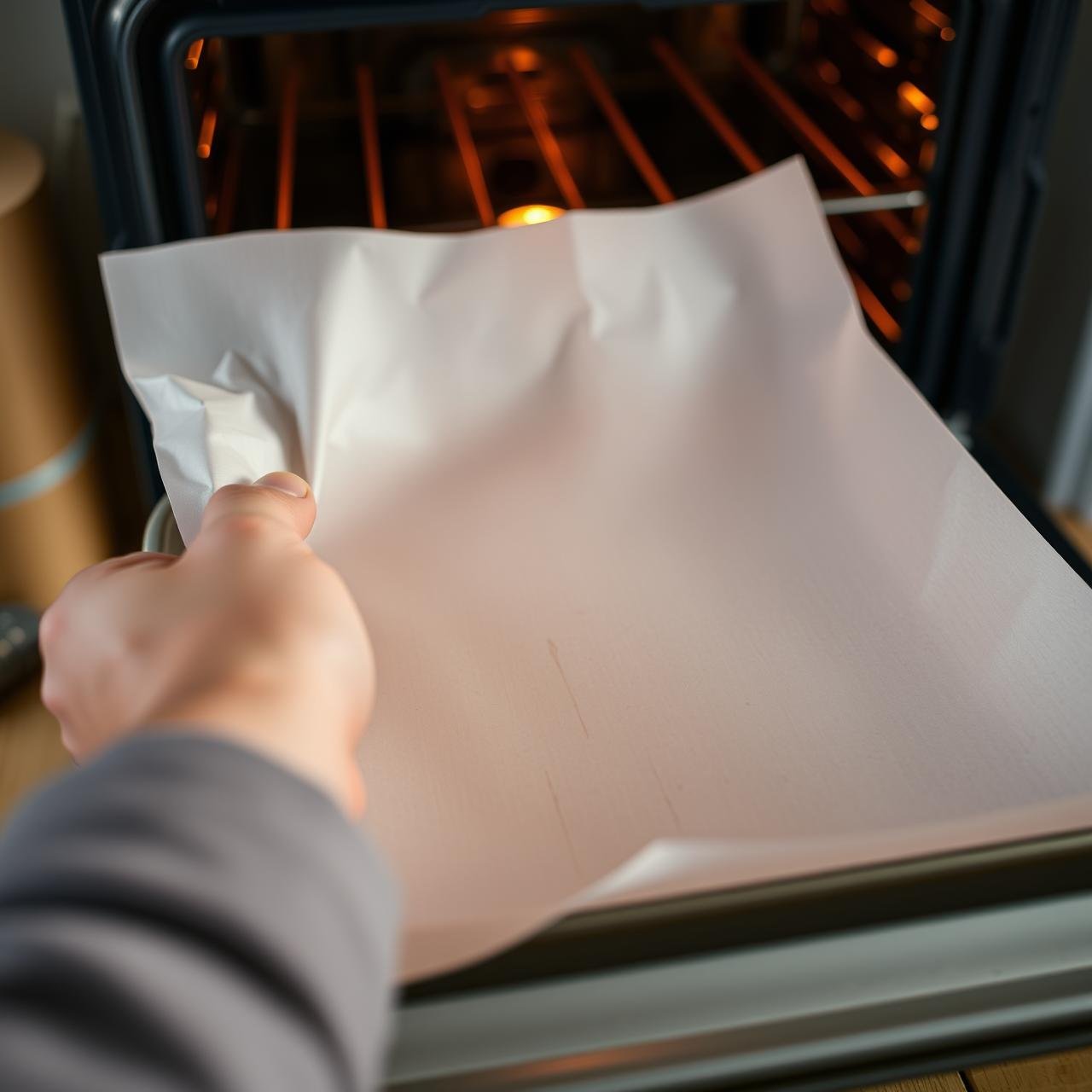
The first step in any successful baking venture is creating the perfect environment. This ensures your salmon begins cooking the moment it enters the oven, resulting in a quick, even bake.
- Position an oven rack in the center of your oven. This is the sweet spot for balanced heat distribution.
- Preheat your oven to a robust 400°F (200°C). The higher heat is crucial for cooking the salmon quickly, keeping it moist on the inside while creating a beautifully roasted exterior.
- While the oven preheats, line a rimmed baking sheet with a sheet of parchment paper. This simple action is your guarantee for easy cleanup and prevents the delicate salmon skin from sticking.
Step 2: The Secret to Crispy Skin & A Perfect Sear
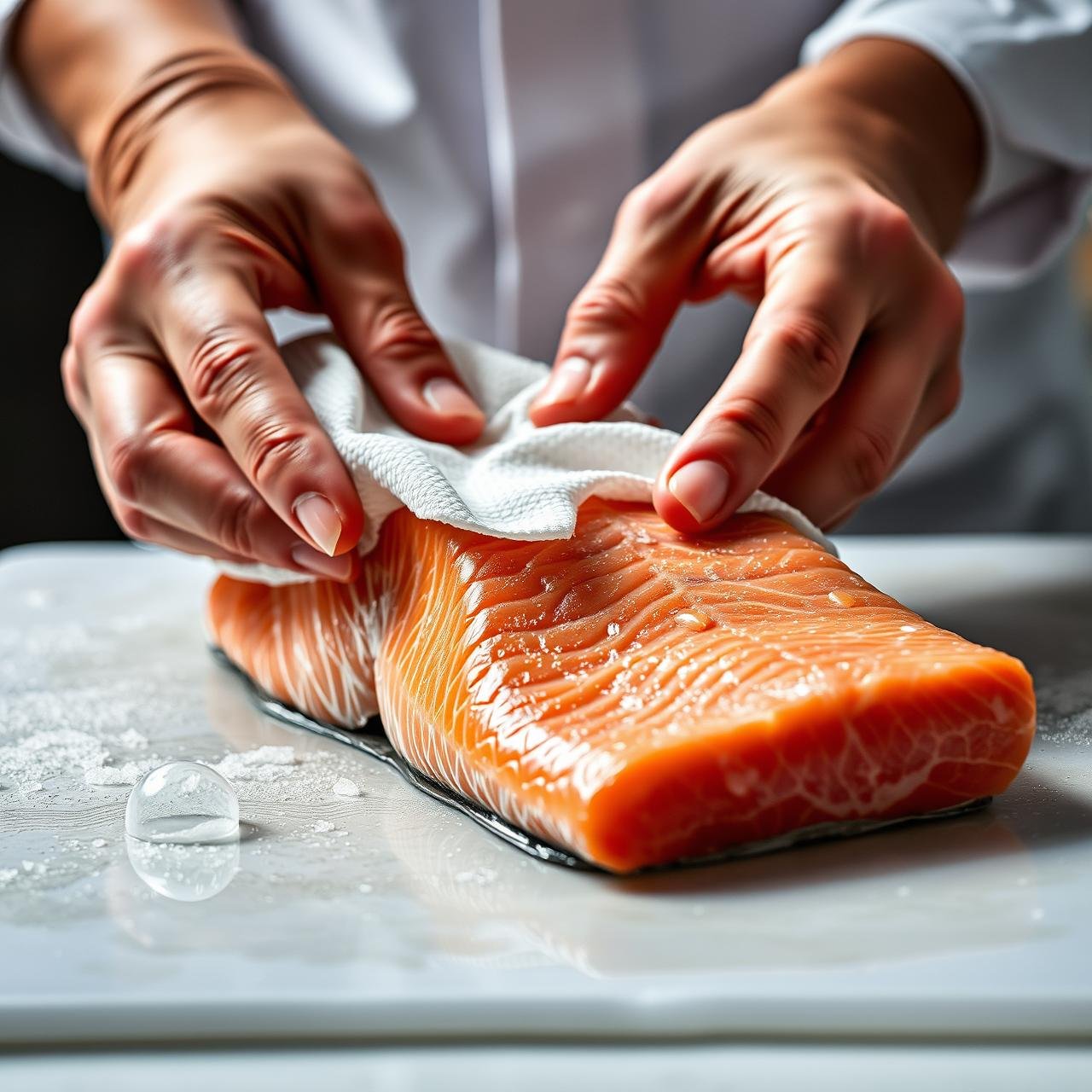
This is a critical, yet often overlooked, step that separates amateur from chef-like results. Moisture is the enemy of crispiness. By taking a moment to properly prepare the salmon fillets, you are setting the stage for a superior texture.
- Remove the salmon fillets from their packaging and place them on a clean plate or cutting board.
- Take a few paper towels and gently but thoroughly pat the entire surface of each fillet dry, paying special attention to the skin side. You want to remove as much surface moisture as possible.
- This simple act allows the olive oil in the marinade to adhere directly to the fish and helps the skin to crisp up beautifully in the oven’s high heat, rather than steaming. It’s a small detail with a huge impact on the final dish.
Step 3: Crafting the Sun-Kissed Lemon Herb Elixir
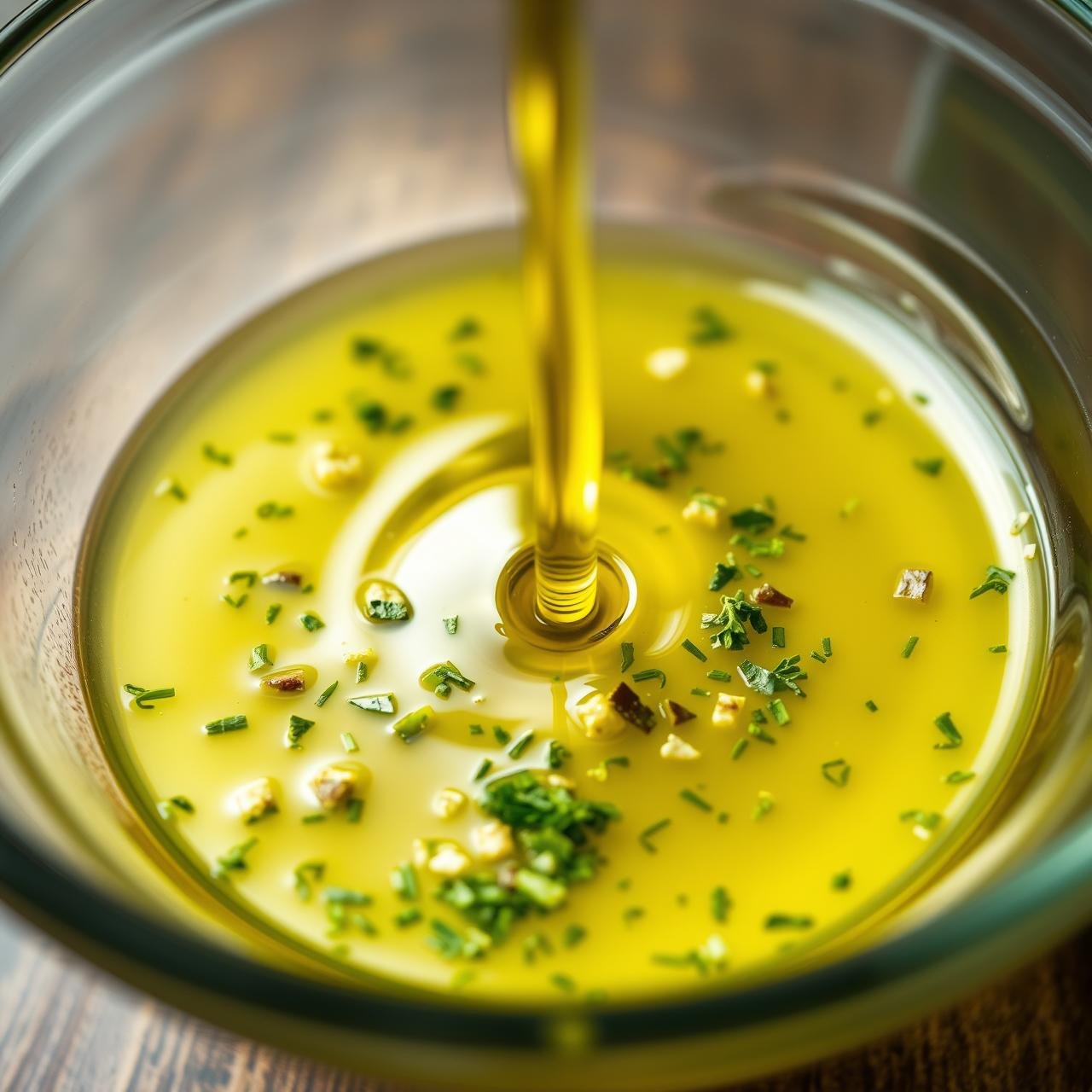
This is where the layers of flavor begin to build. This simple marinade, or more accurately, a flavorful coating, is what will infuse every flake of the salmon with its bright, aromatic character.
- In a small mixing bowl, combine the 2 tablespoons of extra-virgin olive oil, 2 minced cloves of garlic, 1 tablespoon of fresh lemon juice, 1 tablespoon of chopped dill, and 1 tablespoon of chopped parsley.
- Add the 1/2 teaspoon of sea salt and 1/4 teaspoon of black pepper.
- Using a small whisk or a fork, vigorously mix all the ingredients together until they are well emulsified. The mixture should be fragrant and slightly thickened. Take a moment to inhale the incredible aroma—it’s the promise of the deliciousness to come.
Step 4: Anointing the Salmon
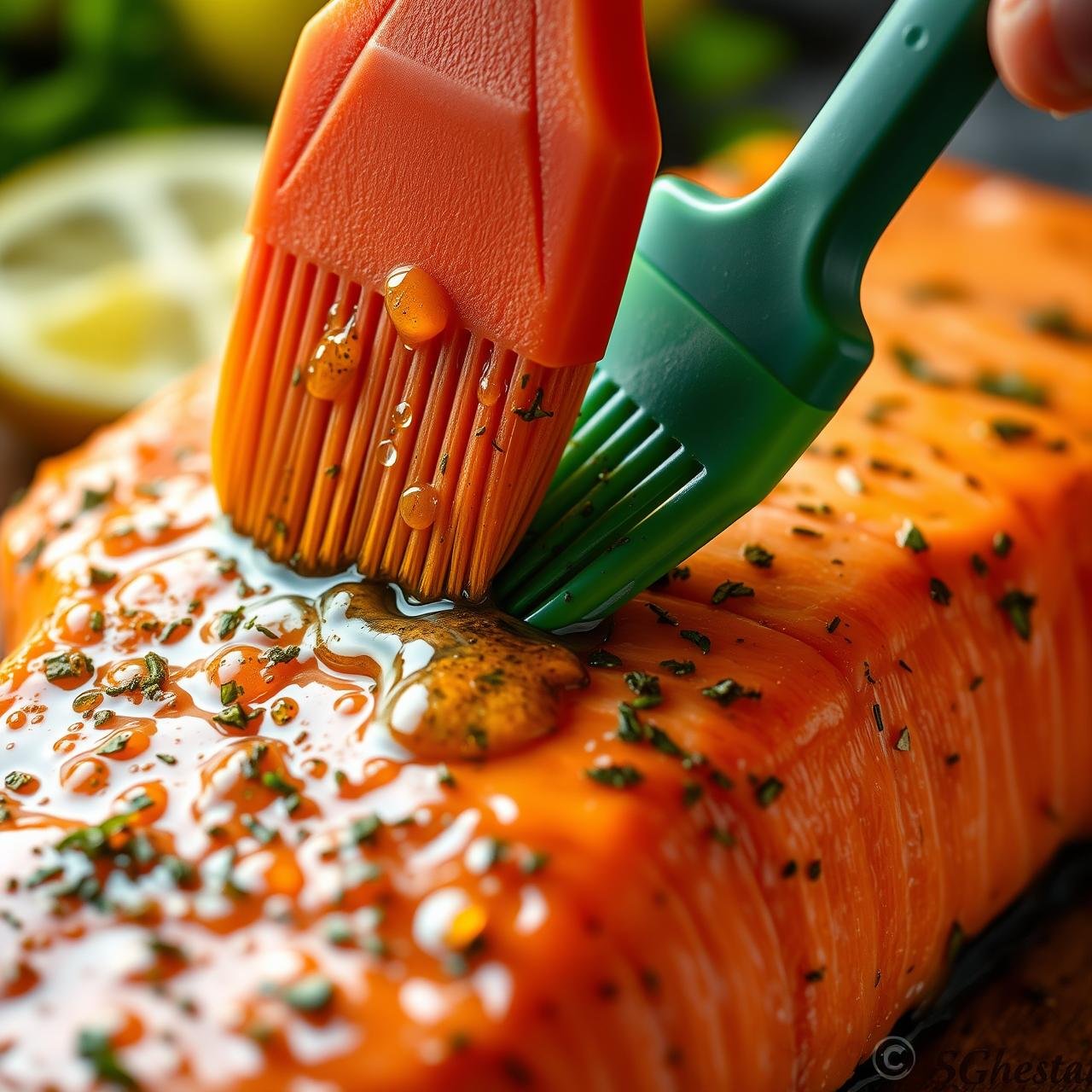
Now it’s time to bring the salmon and the marinade together. Treat the fish with care, ensuring every part is coated in the flavorful mixture.
- Place the dried salmon fillets skin-side down on the parchment-lined baking sheet, leaving some space between them.
- Spoon the lemon herb mixture evenly over the top and sides of each fillet.
- Using the back of the spoon or a silicone pastry brush, gently spread the marinade to ensure the entire top surface is generously coated. Don’t be shy—make sure all that garlicky, herby goodness is clinging to the fish.
- Finally, arrange 2-3 thin lemon slices on top of each fillet. As they bake, they will release their oils and juices, further infusing the salmon with bright, citrusy flavor.
Step 5: The Art of Baking to Perfection
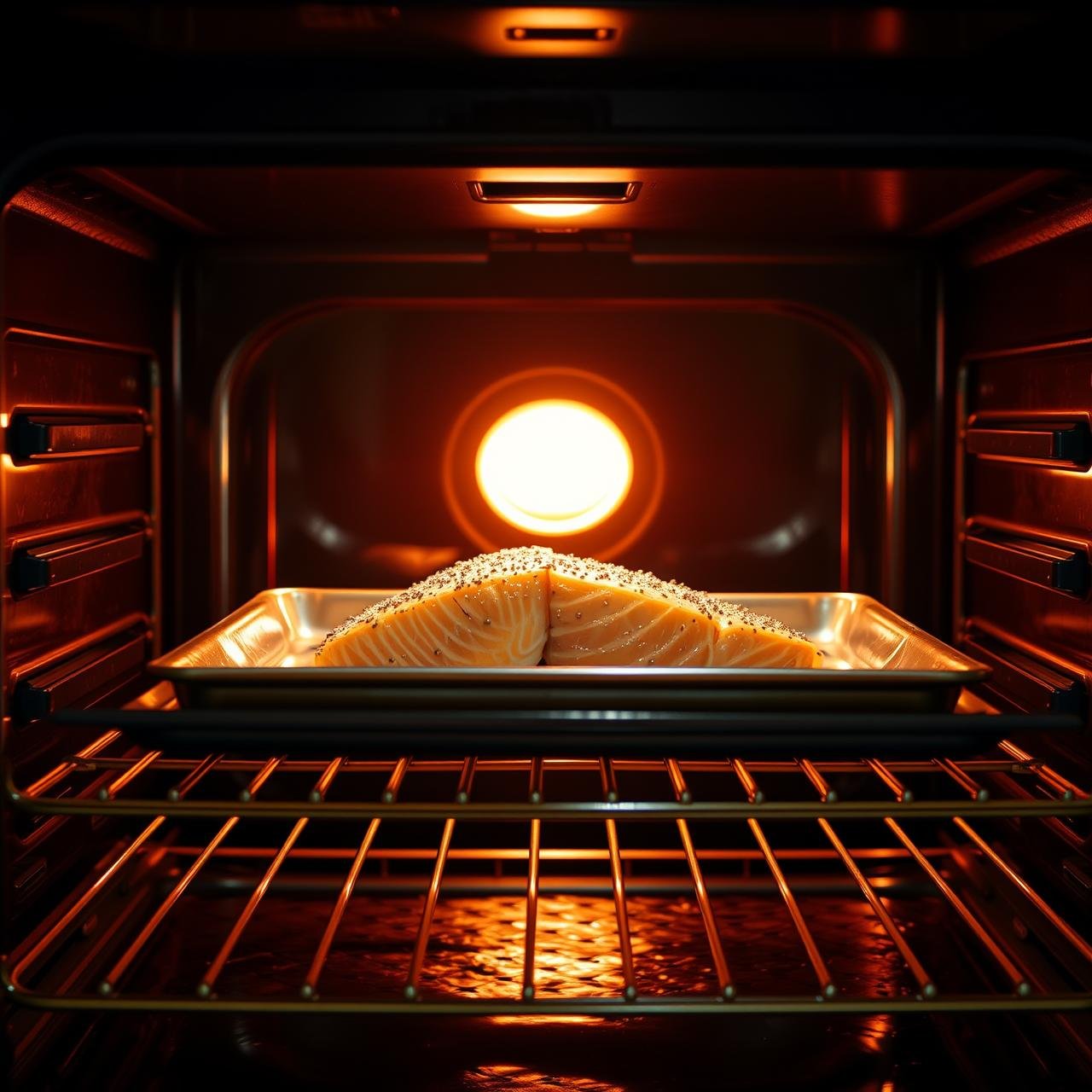
This is the final, hands-off stage where the oven does all the work. The high temperature ensures a rapid cooking process, which is the key to this 15-minute meal.
- Carefully place the baking sheet with the prepared salmon onto the center rack of your fully preheated 400°F (200°C) oven.
- Bake for 12-15 minutes. The exact time will depend on the thickness of your fillets. Thinner fillets may be done closer to 12 minutes, while thicker, center-cut pieces may need the full 15 minutes.
- There is no need to flip the salmon. The parchment paper and the skin protect the bottom, while the hot air circulates and cooks the top to a beautiful, lightly golden finish. Resist the urge to open the oven door, as this lets heat escape and can prolong the cooking time.
The Moment of Truth: Is It Perfectly Cooked?
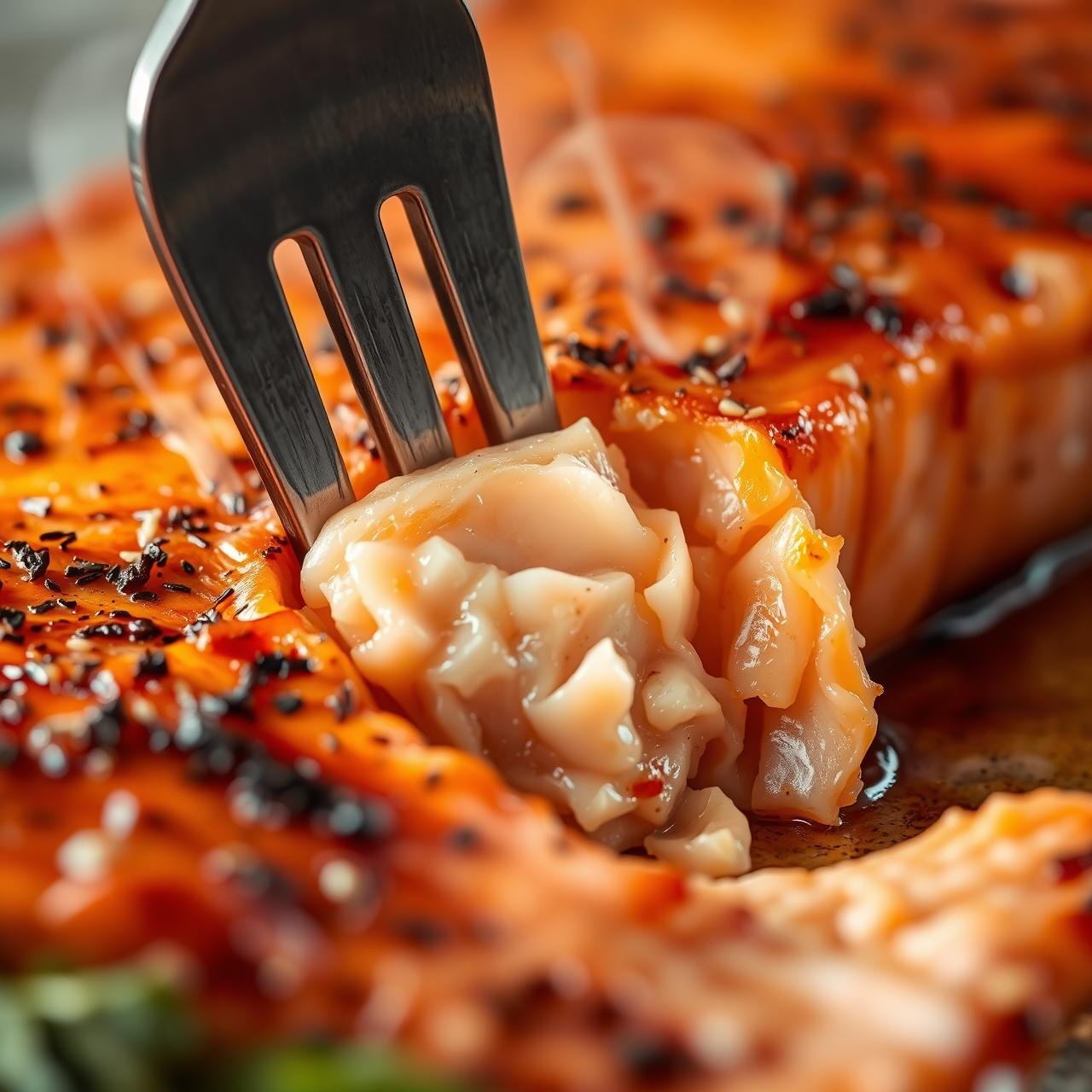
Overcooked salmon is the enemy of a delicious fish dinner. The goal is a fillet that is moist, tender, and flaky, not dry and chalky. Here are two foolproof methods to check for doneness:
The Fork Test
Take a fork and gently press it into the thickest part of the salmon fillet. Gently twist. If the salmon is cooked, the flesh will separate easily into beautiful, opaque flakes. If it resists or still looks translucent and raw in the center, it needs another minute or two in the oven.
The Temperature Check (Chef’s Method)
For guaranteed perfection, use an instant-read thermometer. Insert it into the thickest part of the fillet, avoiding contact with the hot pan. The USDA recommends cooking salmon to an internal temperature of 145°F (63°C). However, many chefs prefer to pull it from the oven at around 130-135°F (54-57°C) for a medium-rare to medium finish, as it will continue to cook slightly from residual heat (carryover cooking) after you remove it from the oven. This results in an exceptionally moist and tender texture.
Perfect Pairings: Completing Your Healthy Plate
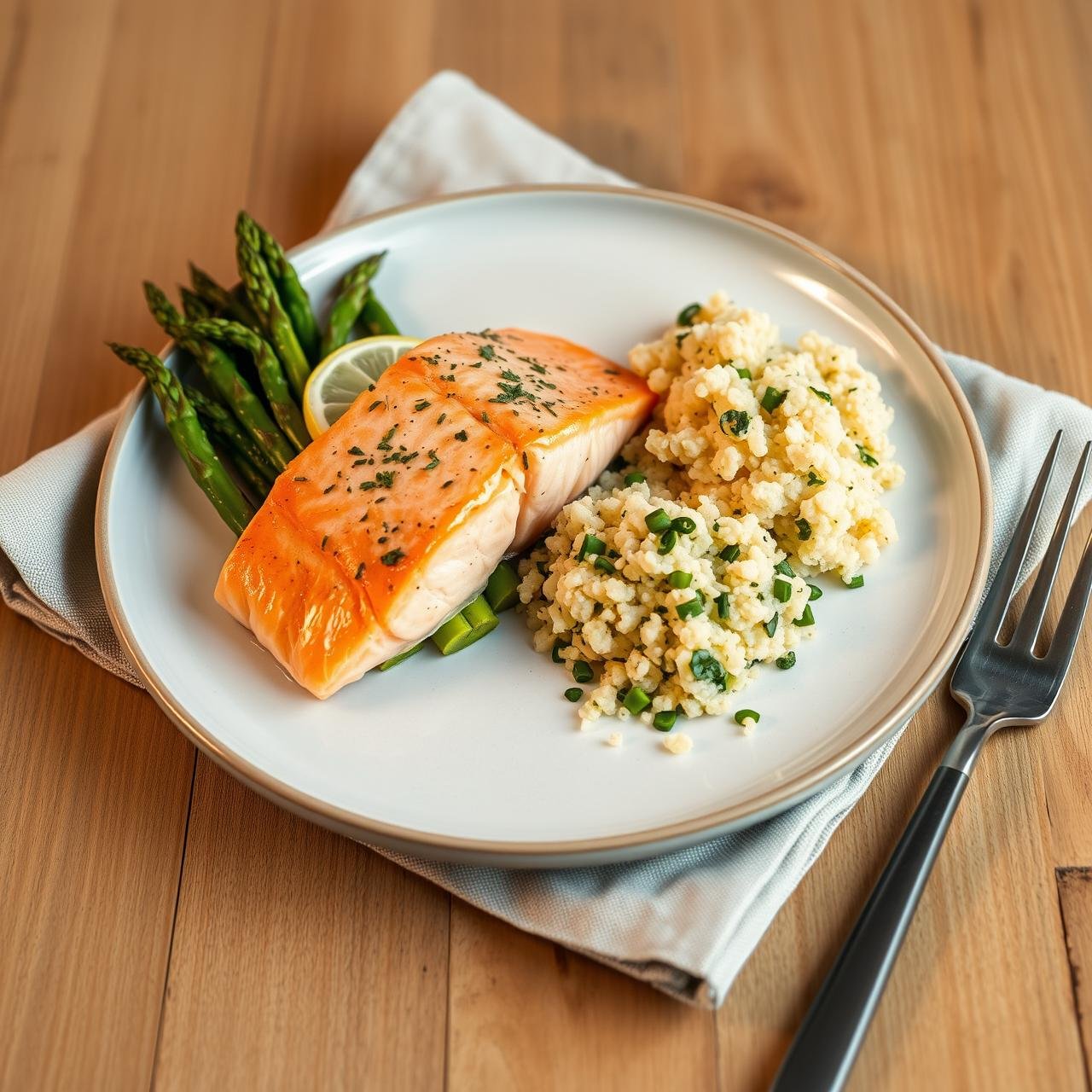
This versatile salmon pairs beautifully with a wide variety of sides, allowing you to customize your meal based on your tastes and what you have on hand. To maintain the ‘skinny dinner’ theme, focus on nutrient-rich accompaniments.
- Roasted Vegetables: Toss some asparagus spears or broccoli florets with olive oil, salt, and pepper, and roast them on the same pan alongside the salmon for the last 10-12 minutes of cooking. It’s a one-pan wonder!
- Quinoa or Brown Rice: A scoop of fluffy quinoa or nutty brown rice provides healthy complex carbohydrates and fiber to make the meal more satisfying.
- Simple Green Salad: A bed of fresh arugula or mixed greens tossed with a light vinaigrette offers a fresh, peppery contrast to the rich salmon.
- Steamed Green Beans: A classic and simple side. Steam them until tender-crisp and toss with a squeeze of fresh lemon juice.
Chef’s Variations: Making It Your Own
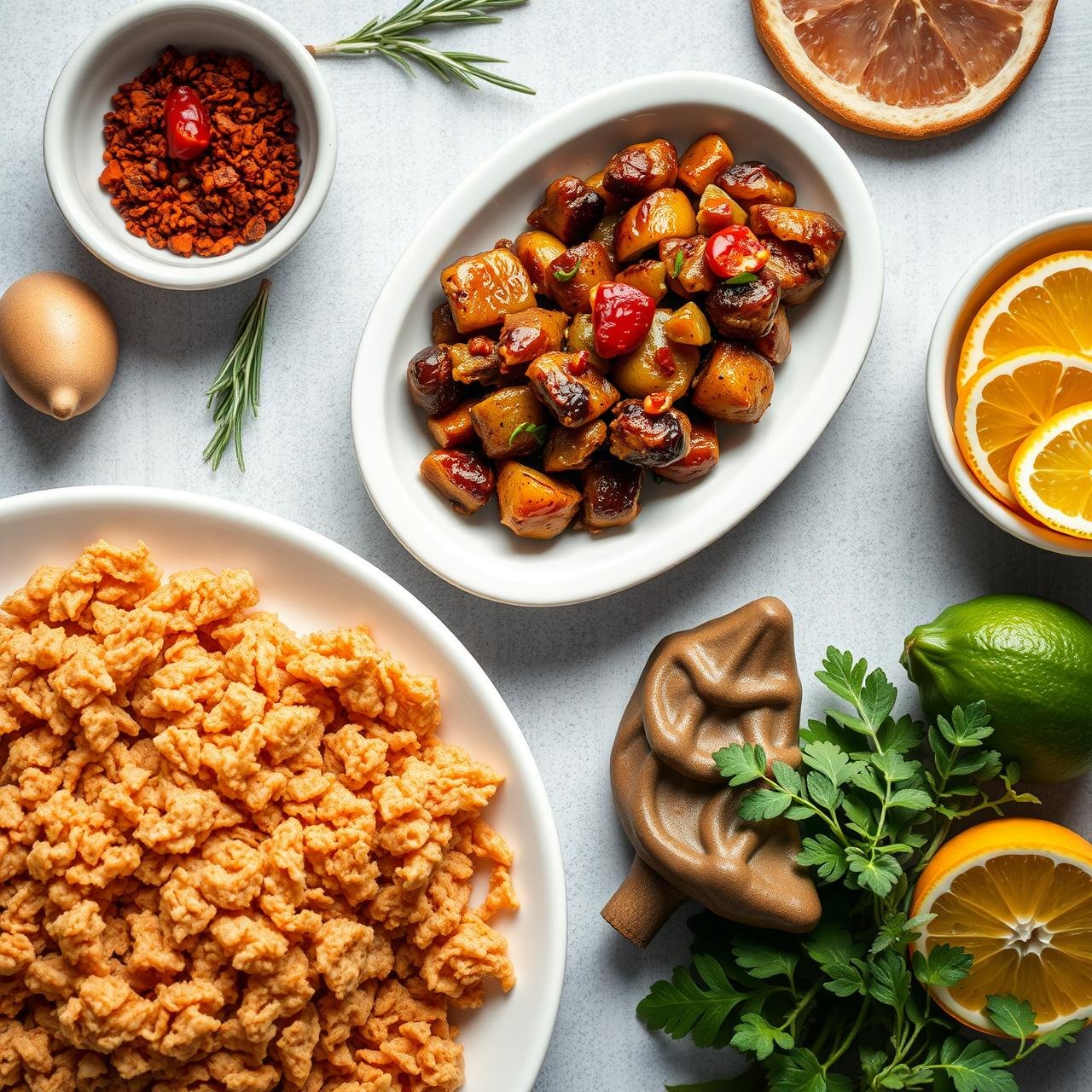
While this recipe is perfect as is, it also serves as a fantastic canvas for your own culinary creativity. Once you’ve mastered the basic technique, feel free to experiment with these delicious variations:
- Switch up the Herbs: Not a fan of dill? Try using fresh rosemary and thyme for a more robust, woodsy flavor profile. Or, for a Mediterranean twist, use fresh oregano.
- Add a Little Heat: For those who enjoy a spicy kick, add 1/4 teaspoon of red pepper flakes to the marinade.
- Citrus Swap: Lemon is classic, but lime or even thin slices of orange can offer a different and equally delicious citrusy brightness to the dish.
- A Touch of Dijon: Whisk a teaspoon of Dijon mustard into the marinade. It adds a wonderful tangy complexity that complements the salmon beautifully.
- Garnish with Capers: After baking, sprinkle the salmon with a tablespoon of drained capers for a briny, salty pop of flavor.
Storing & Reheating for a Delicious Encore
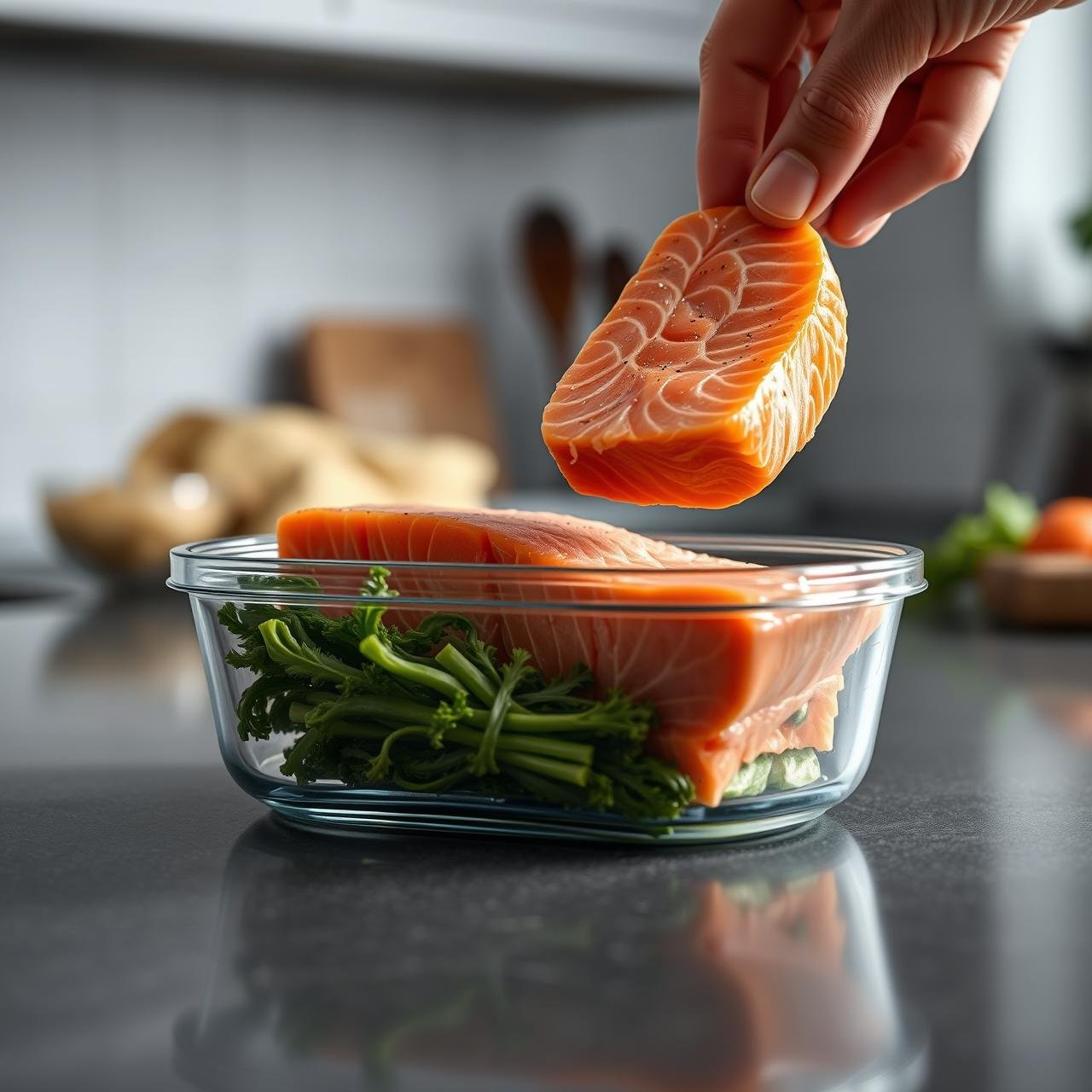
Leftover salmon can be just as delicious the next day, provided you store and reheat it properly. The key is to be gentle to preserve its delicate texture.
Storage
Allow the salmon to cool completely to room temperature. This prevents condensation from forming inside the container, which can make the fish soggy. Store it in an airtight container in the refrigerator for up to 2 days.
Reheating
The microwave is salmon’s worst enemy—it will dry it out in seconds. Instead, use one of these gentle methods:
- Oven: Place the salmon on a baking sheet and cover loosely with foil. Reheat in a low-temperature oven, around 275°F (135°C), for about 10-15 minutes, or until just warmed through.
- Skillet: Add a splash of water or a small amount of olive oil to a non-stick skillet over medium-low heat. Add the salmon, cover the pan, and let it gently steam for 3-5 minutes until warm.
Alternatively, leftover cold salmon is delicious flaked over a salad or mixed into a pasta dish, no reheating required!
Conclusion
There you have it—a meal that delivers on every promise. This 15-Minute Baked Lemon Herb Salmon is proof that you don’t need to compromise on flavor, health, or time. It’s a recipe that will effortlessly slide into your weekly rotation, ready to rescue any busy weeknight with its rustic charm and vibrant, clean taste. We encourage you to embrace the simplicity, savor the flaky, succulent results, and reclaim your dinner time. Food that is this good, this fast, and this healthy is a true gift, and it’s one you can give yourself any night of the week.