10-Minute Chinese Tomato and Egg Stir Fry for Rapid Weight Loss
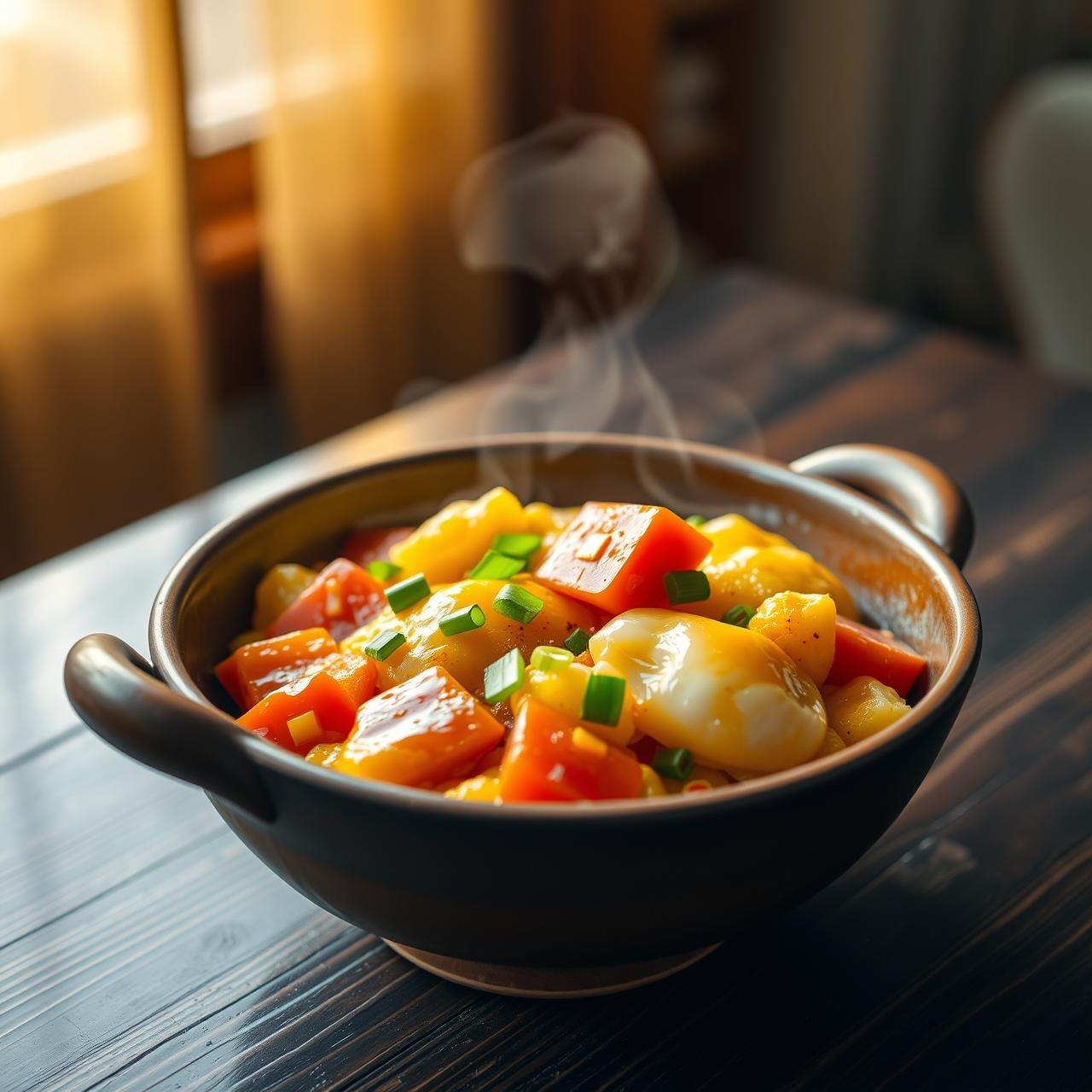
In the world of home cooking, few dishes embody comfort, speed, and nutritional value quite like the classic Chinese Tomato and Egg Stir-fry (番茄炒蛋 – fānqié chǎo dàn). It’s a humble masterpiece, a staple in countless households across Asia, celebrated for its soul-soothing flavors and remarkable simplicity. But beyond its comforting appeal lies a powerful secret: this dish is an exceptional tool for anyone on a journey towards rapid, healthy weight loss. Forget bland salads and restrictive diets. We are about to unlock the culinary and nutritional secrets of a meal that is ready in under 10 minutes, satisfies cravings, and fuels your body with clean, essential nutrients. This guide will walk you through every step, transforming simple ingredients into a dish that is both a nostalgic classic and a modern-day health champion.
The Nutritional Synergy: A Weight Loss Powerhouse
At its core, the magic of this dish lies in the perfect partnership between tomatoes and eggs. It’s a combination that delivers a potent one-two punch of nutrition, making it ideal for a weight-loss-oriented diet. Let’s break down the science behind its effectiveness.
Eggs are a complete protein source, containing all nine essential amino acids. Protein is crucial for weight management as it promotes satiety, meaning it helps you feel fuller for longer, reducing the likelihood of overeating or snacking between meals. Furthermore, a high-protein intake helps preserve lean muscle mass, which is vital because muscle tissue burns more calories at rest than fat tissue.
Tomatoes, on the other hand, are incredibly low in calories but rich in water, fiber, vitamins, and antioxidants. The high water and fiber content add volume to the meal without adding significant calories, contributing to that feeling of fullness. The star antioxidant in tomatoes is lycopene, which not only gives them their vibrant red color but has also been linked to various health benefits, including reduced inflammation—a key factor in managing metabolic health. When tomatoes are cooked, the lycopene becomes more bioavailable, meaning your body can absorb and utilize it more effectively. This stir-fry gently cooks the tomatoes, unlocking their full nutritional potential.
Together, they create a low-calorie, high-protein, high-fiber meal that stabilizes blood sugar levels, provides sustained energy, and keeps hunger pangs at bay, making your weight loss journey both delicious and sustainable.
Sourcing Your Ingredients: The Foundation of Flavor
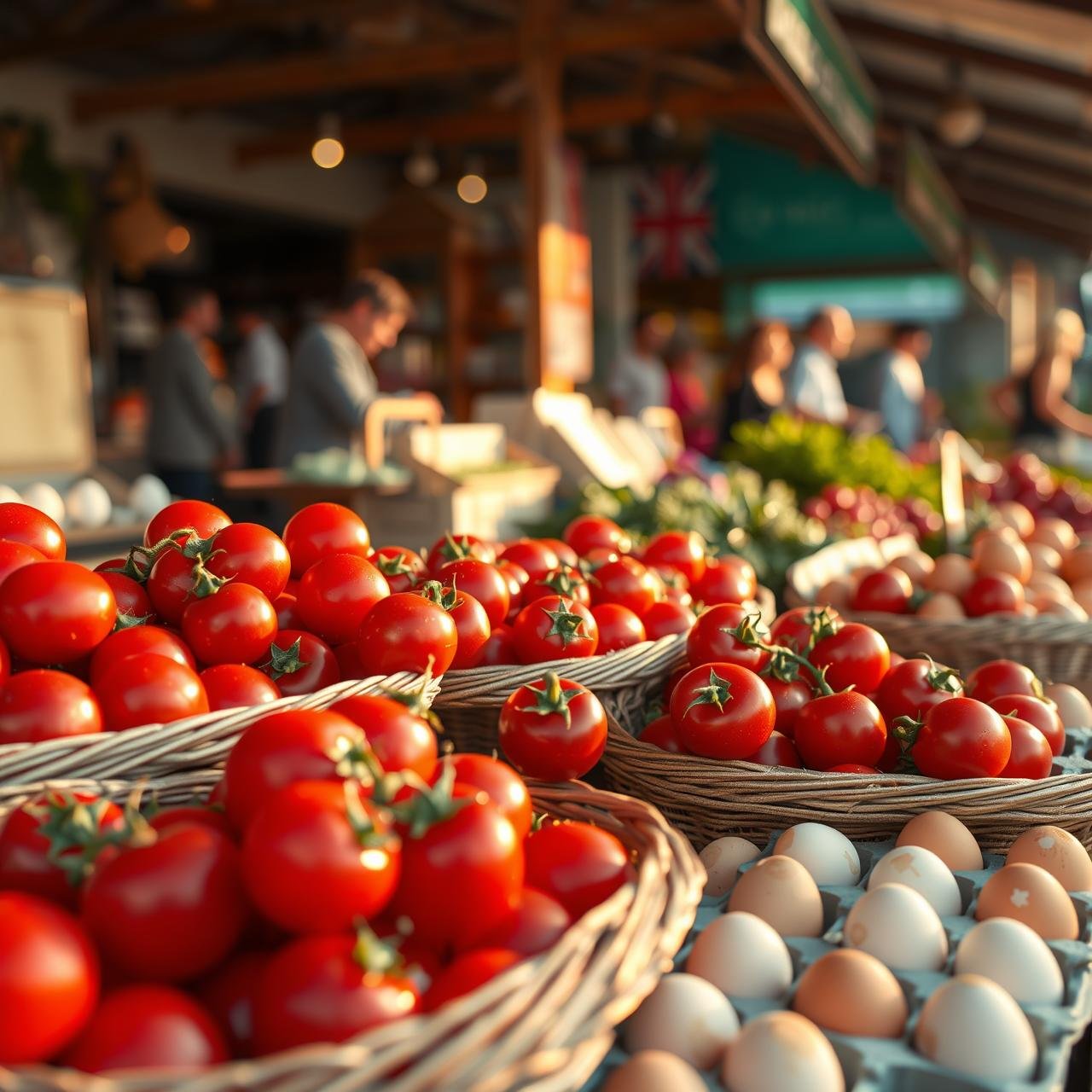
A dish with so few ingredients depends entirely on their quality. Selecting the best possible components is not about extravagance; it’s about maximizing flavor and nutritional value. Here’s a chef’s guide to choosing your core ingredients.
Choosing the Right Components
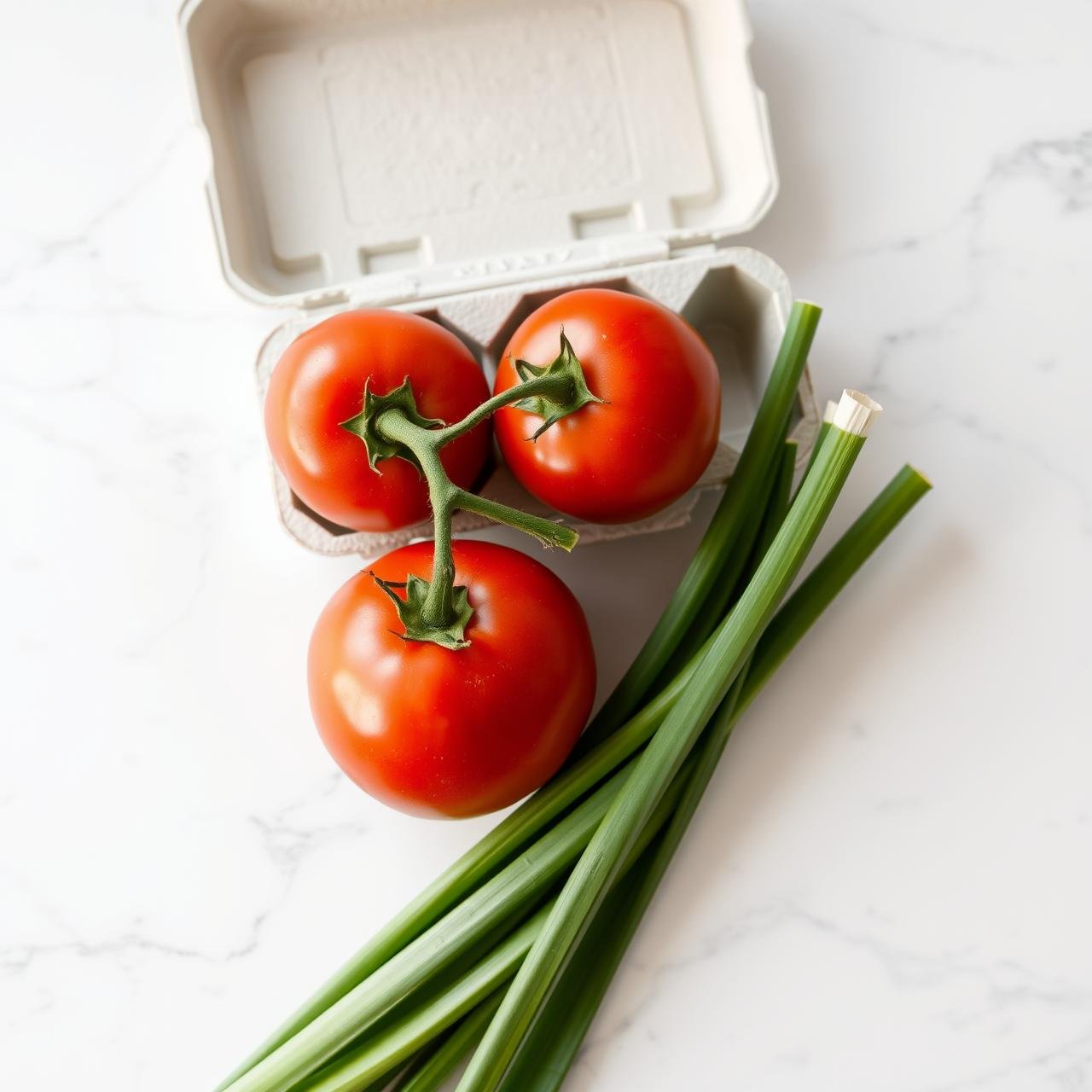
- Tomatoes: Look for vine-ripened tomatoes. They should be firm to the touch but with a slight give, heavy for their size, and possess a deep, uniform red color. Avoid tomatoes that are pale, bruised, or have soft spots. The most important test is the smell; a great tomato will have a sweet, earthy aroma at the stem end. For this dish, varieties like Roma or Campari work wonderfully as they have a good balance of flesh and juice.
- Eggs: Freshness is paramount. If possible, opt for pasture-raised or organic free-range eggs. They often have richer, more vibrantly colored yolks and a superior flavor profile. You can check for freshness by placing an egg in a bowl of water; the freshest eggs will sink to the bottom and lay flat on their side.
- Scallions (Green Onions): Seek out scallions with bright green tops and firm, white bulbs. The leaves should be crisp and upright, not wilted or slimy. They provide a mild, fresh onion flavor that cuts through the richness of the egg and the sweetness of the tomato.
- Aromatics & Seasonings: For aromatics like garlic, choose firm heads with dry, papery skin. For seasonings, a high-quality, naturally brewed light soy sauce or tamari is essential. Avoid chemically produced soy sauces, as they can have a harsh, artificial taste. Similarly, a good toasted sesame oil will add a nutty, aromatic finish that elevates the entire dish.
Essential Kitchen Tools for Stir-Fry Success

You don’t need a professional kitchen to master this dish. A few basic, well-chosen tools will ensure a smooth and efficient cooking process, helping you get this meal on the table in that 10-minute window. Having everything ready before you turn on the heat is a core principle of stir-frying, known as ‘mise en place’.
| Tool | Purpose & Chef’s Recommendation |
|---|---|
| Wok or Large Skillet | A carbon steel wok is traditional and ideal for its rapid, even heat distribution. However, a 10 to 12-inch non-stick or cast-iron skillet works perfectly well for home cooks. The key is to have enough surface area to cook the ingredients without steaming them. |
| Heat-Resistant Spatula | A thin, flexible spatula (often called a ‘fish spatula’) or a silicone spatula is perfect for scrambling the eggs gently and folding the ingredients together without breaking them apart too much. |
| Cutting Board & Sharp Knife | A stable cutting board and a sharp chef’s knife are non-negotiable for safe and efficient prep work. A sharp knife will slice through the tomatoes cleanly without crushing them. |
| Mixing Bowls | You will need at least two small bowls: one for whisking the eggs and another for mixing your sauce ingredients. This keeps your workflow organized and clean. |
| Measuring Spoons | For consistent results, especially when balancing the seasonings, accurate measuring spoons are a must. |
The Core Ingredients: Simplicity at Its Finest
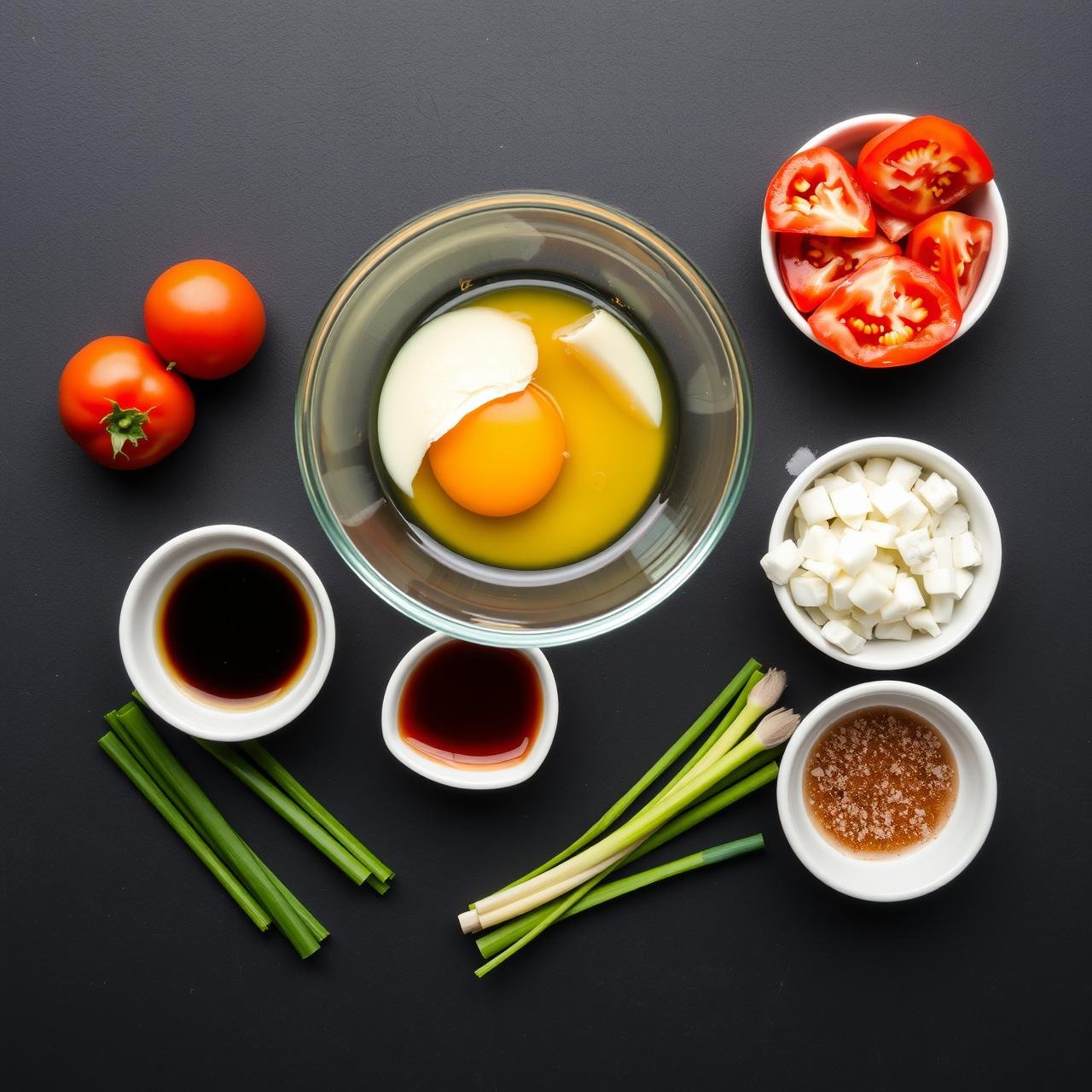
This recipe celebrates minimalism. The beauty lies in how these few, humble ingredients come together to create something truly spectacular. Below is the precise list for a perfectly balanced dish serving two people, ideal for a light lunch or dinner.
- Large Eggs: 3, preferably pasture-raised
- Medium Ripe Tomatoes: 2 (about 250g or 1/2 lb), cut into wedges
- Scallions (Green Onions): 2, finely sliced, whites and greens separated
- Minced Garlic: 1 clove (optional, for extra aroma)
- Avocado Oil or other neutral oil: 1 tablespoon, for cooking
For the Sauce & Seasoning:
- Light Soy Sauce (or Tamari): 1 teaspoon
- Sugar: 1/2 teaspoon (optional, to balance the tomato’s acidity)
- Salt: 1/4 teaspoon, or to taste
- White Pepper: A pinch, for a subtle heat
- Toasted Sesame Oil: 1/2 teaspoon, for finishing
Step 1: Mise en Place – Preparing for 10-Minute Success
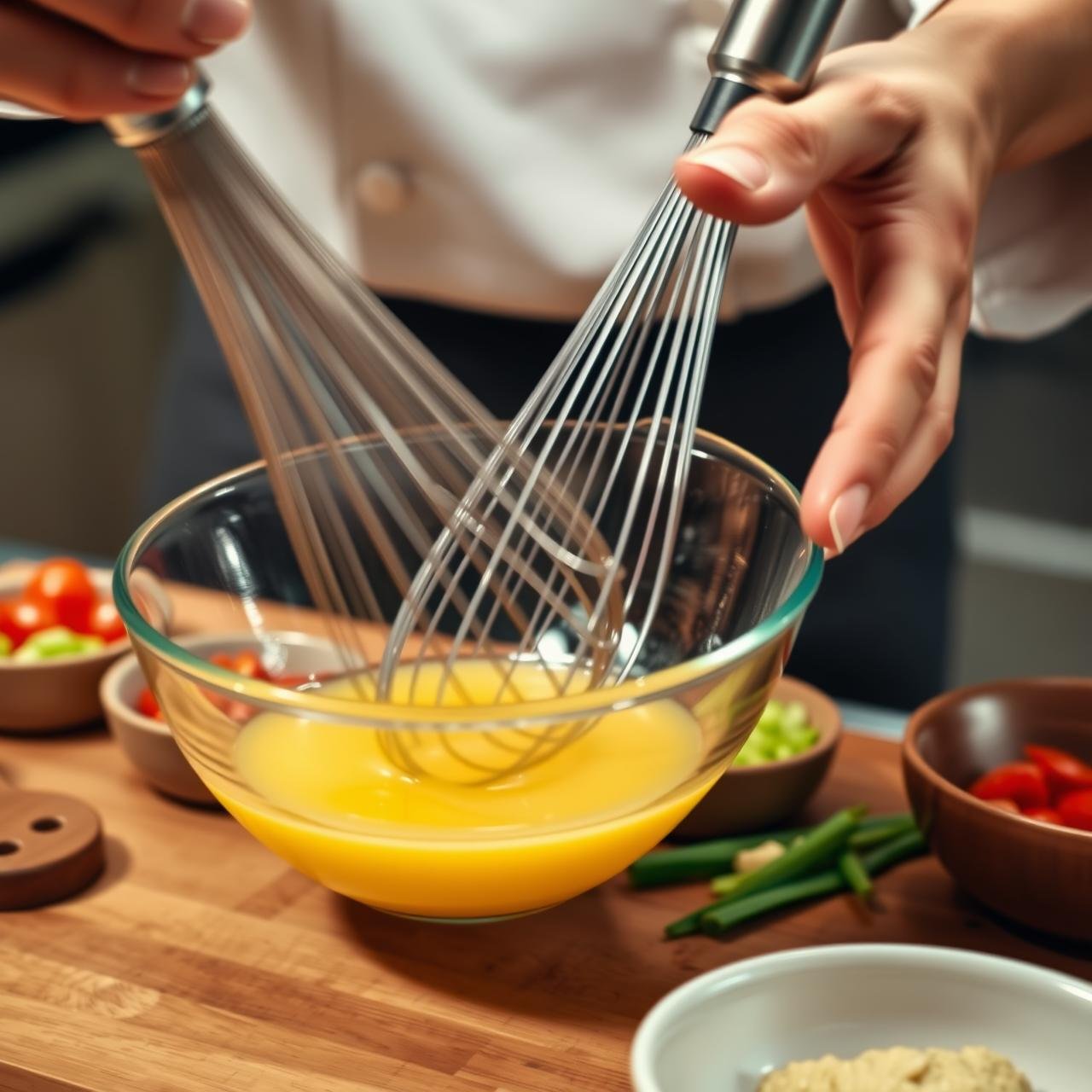
The secret to a 10-minute meal is having everything prepared before the wok even gets hot. This French term, ‘mise en place’, means ‘everything in its place’. For a stir-fry, it’s the most critical step. Once cooking begins, it happens very fast, and you won’t have time to chop an onion or measure soy sauce.
- Prepare the Vegetables: Wash the tomatoes and scallions thoroughly. Cut the tomatoes into 8 wedges each. Finely slice the scallions, keeping the firm white parts separate from the leafy green parts. The whites will be cooked for aroma, while the greens are used as a fresh garnish at the end. If using, mince your garlic clove.
- Whisk the Eggs: Crack the 3 eggs into a small mixing bowl. Add the 1/4 teaspoon of salt and the pinch of white pepper directly into the eggs. Whisk them vigorously for about 30 seconds until the yolks and whites are fully combined and slightly frothy. This incorporates air, which helps make the scrambled eggs light and fluffy.
- Prepare the Sauce: In another small bowl, combine the 1 teaspoon of light soy sauce and the optional 1/2 teaspoon of sugar. Stir until the sugar is dissolved. Having this pre-mixed ensures even seasoning.
With your ingredients prepped and your tools by the stove, you are now ready to cook. The next 5 minutes will be a flurry of delicious activity.
Step 2: The Art of the Scramble – Achieving Silky Eggs
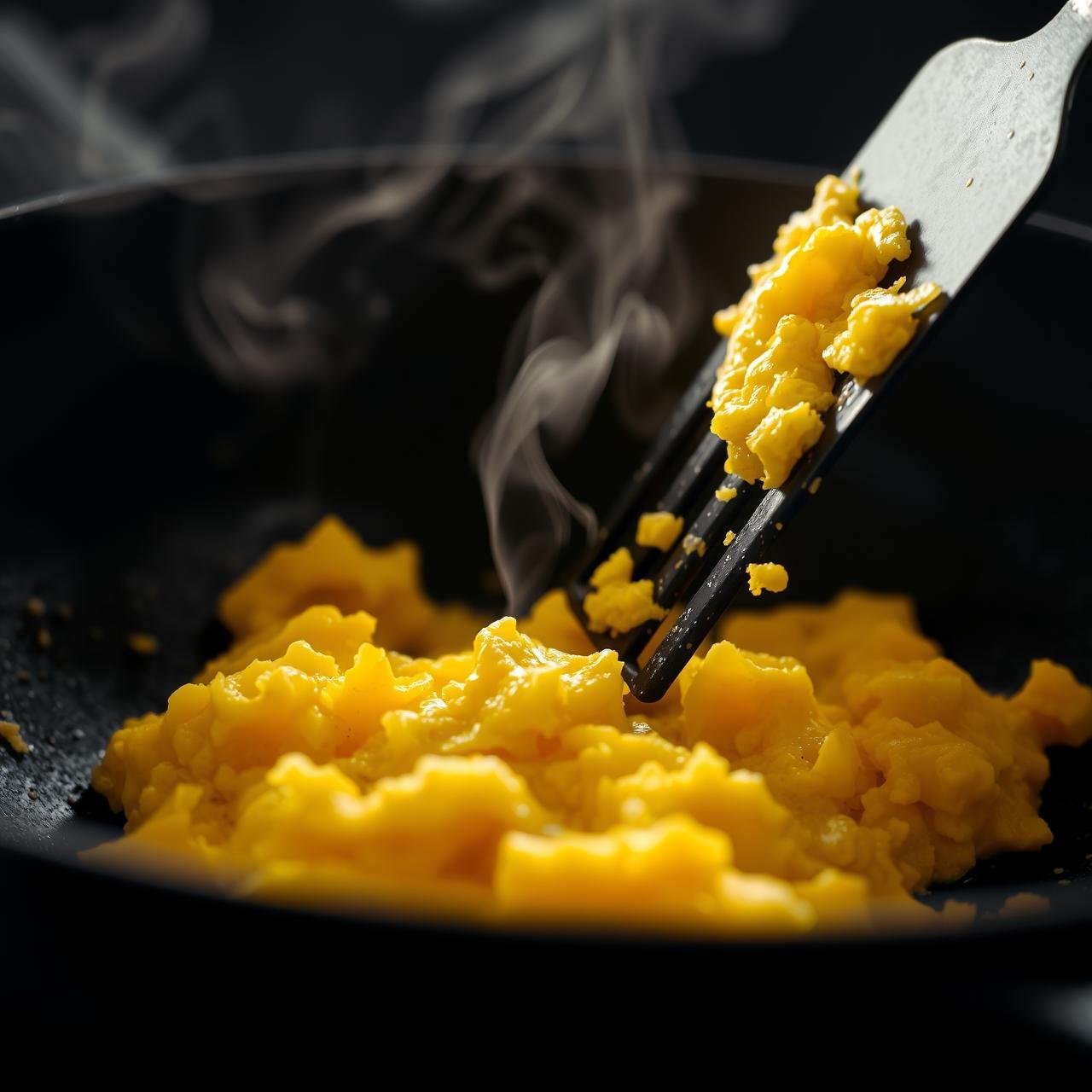
The texture of the eggs is a defining characteristic of this dish. The goal is not a dry, firm scramble, but large, soft, silky curds that are barely set. This requires high heat and quick hands.
- Heat the Wok: Place your wok or skillet over medium-high heat. Add 1/2 tablespoon of your cooking oil and swirl to coat the bottom. Wait until the oil is hot; you should see it shimmer slightly.
- Cook the Eggs: Pour the whisked egg mixture into the hot wok. Let it sit undisturbed for about 10-15 seconds, until the edges begin to set.
- Gently Scramble: Using your spatula, gently push the cooked portions from the edge of the wok toward the center. Tilt the wok to allow the uncooked egg to flow into the empty spaces. Continue this gentle pushing and folding motion for about 30-45 seconds.
- Remove Promptly: The key is to remove the eggs when they are about 80% cooked. They should still look soft, slightly wet, and glossy. They will continue to cook from residual heat and will be cooked again briefly at the end. Immediately transfer the soft-scrambled eggs to a clean plate and set them aside. Do not wipe out the wok.
Step 3: Sautéing the Tomatoes – Releasing Flavor & Lycopene
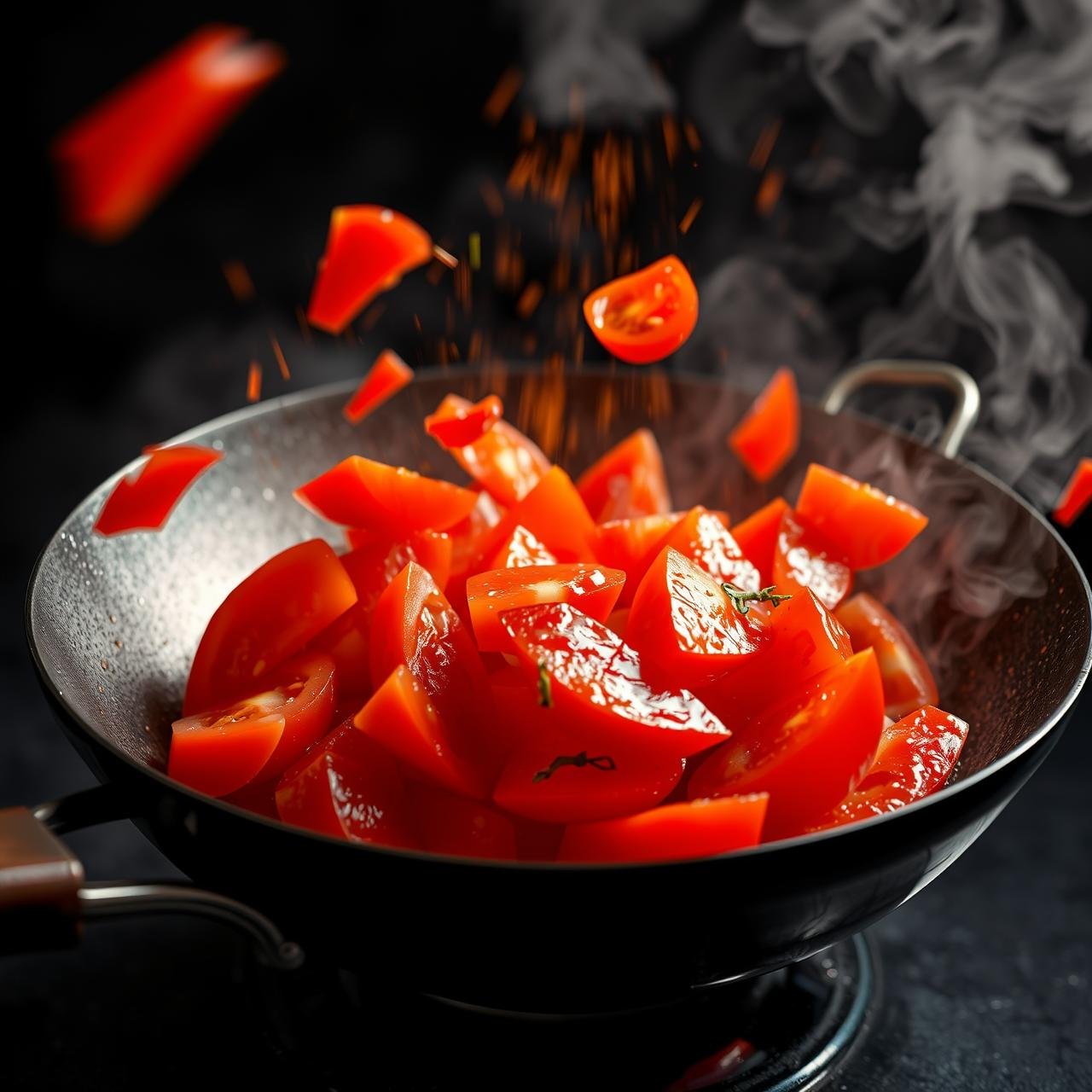
Now that the eggs are perfectly cooked and set aside, the focus shifts to the tomatoes. Here, we want to cook them just enough to soften them and release their sweet, tangy juices, which will form the base of our sauce. This step also makes the healthy lycopene more available for your body to absorb.
- Aromatics First: Return the same wok to medium-high heat. Add the remaining 1/2 tablespoon of oil. Once shimmering, add the white parts of the scallions and the minced garlic (if using). Stir-fry for about 15-20 seconds until fragrant. Be careful not to burn the garlic.
- Add the Tomatoes: Add the tomato wedges to the wok. Spread them out in a single layer and let them sear for about 30 seconds without moving them. This helps to develop a little bit of color and flavor.
- Stir-fry and Soften: Begin to stir-fry the tomatoes, tossing them for about 1-2 minutes. You’ll see them start to soften and release their juices. If the tomatoes are very firm, you can add a tablespoon of water and cover the wok for a minute to help them break down. The goal is a mix of intact wedges and a pulpy, juicy sauce.
Step 4: Bringing It All Together in the Final Minute
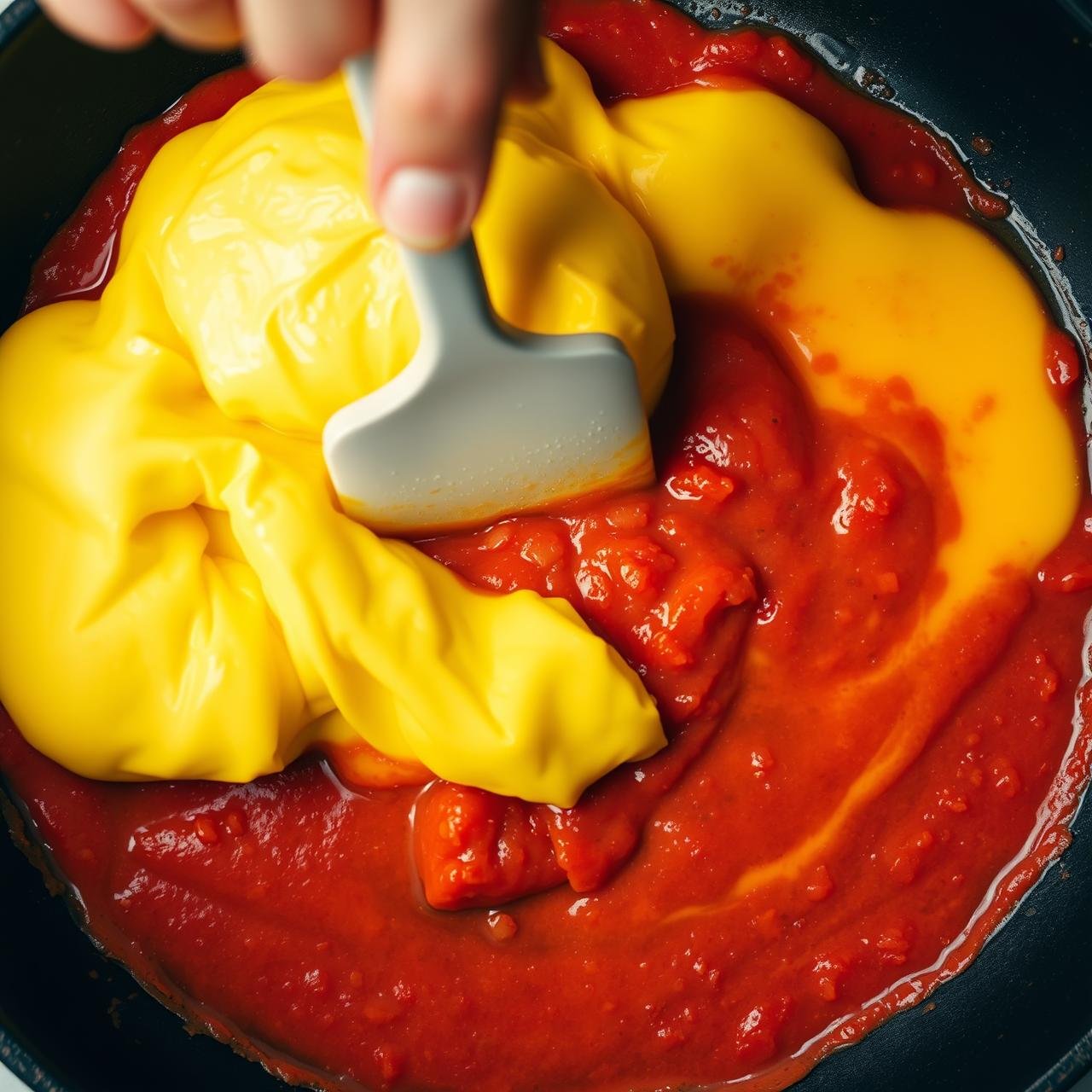
This is the final, rapid stage where the individual components become a cohesive, harmonious dish. Timing is everything, so move quickly and confidently.
- Season the Tomatoes: Pour your pre-mixed soy sauce and sugar mixture over the tomatoes in the wok. Stir to combine everything well. Let it bubble for about 15 seconds to meld the flavors.
- Reintroduce the Eggs: Return the soft-scrambled eggs to the wok with the tomatoes.
- Gently Fold: Using your spatula, gently fold the eggs into the tomato sauce. The goal is to coat the eggs in the sauce and break them up slightly into bite-sized pieces, not to mash them. This folding motion should take no more than 30 seconds. You want to preserve the large, soft curds of the egg.
- The Finishing Touches: Turn off the heat. Drizzle the 1/2 teaspoon of toasted sesame oil over the dish and sprinkle in most of the reserved green parts of the scallions. Give it one final, gentle fold to distribute. The residual heat will awaken the aroma of the sesame oil.
- Serve Immediately: Transfer the stir-fry to a serving plate. Garnish with the remaining fresh scallion greens. For a complete meal, serve hot over a small portion of steamed brown rice or quinoa, or enjoy it on its own for a very low-carb option.
Nutritional Breakdown: Fueling Your Weight Loss
Understanding the nutritional profile of your meal is empowering. This dish isn’t just ‘healthy’ by chance; it’s designed by its very nature to be low in calories yet high in the nutrients that support fat loss and muscle maintenance. This table represents the approximate nutritional values for one serving (half of the total recipe).
| Nutrient | Approximate Amount per Serving | Role in Weight Loss |
|---|---|---|
| Calories | ~220 kcal | A very low caloric load for a substantial, filling meal, making it easy to maintain a calorie deficit. |
| Protein | ~12 g | High-quality protein promotes satiety, reduces cravings, and supports lean muscle mass. |
| Fat | ~16 g | Primarily healthy fats from eggs and cooking oil, which are essential for hormone function and vitamin absorption. |
| Carbohydrates | ~8 g | Low in carbs, preventing blood sugar spikes and subsequent crashes that can lead to snacking. |
| Fiber | ~2 g | Aids in digestion and contributes to the feeling of fullness. |
| Sugar | ~6 g | These are natural sugars from the tomatoes, not added sugars, providing energy without the negative metabolic impact. |
As you can see, for just over 200 calories, you get a significant dose of protein and a filling meal. This high-satiety, low-calorie combination is the cornerstone of effective and sustainable weight management.
Serving, Storing, and Meal Prepping Tips
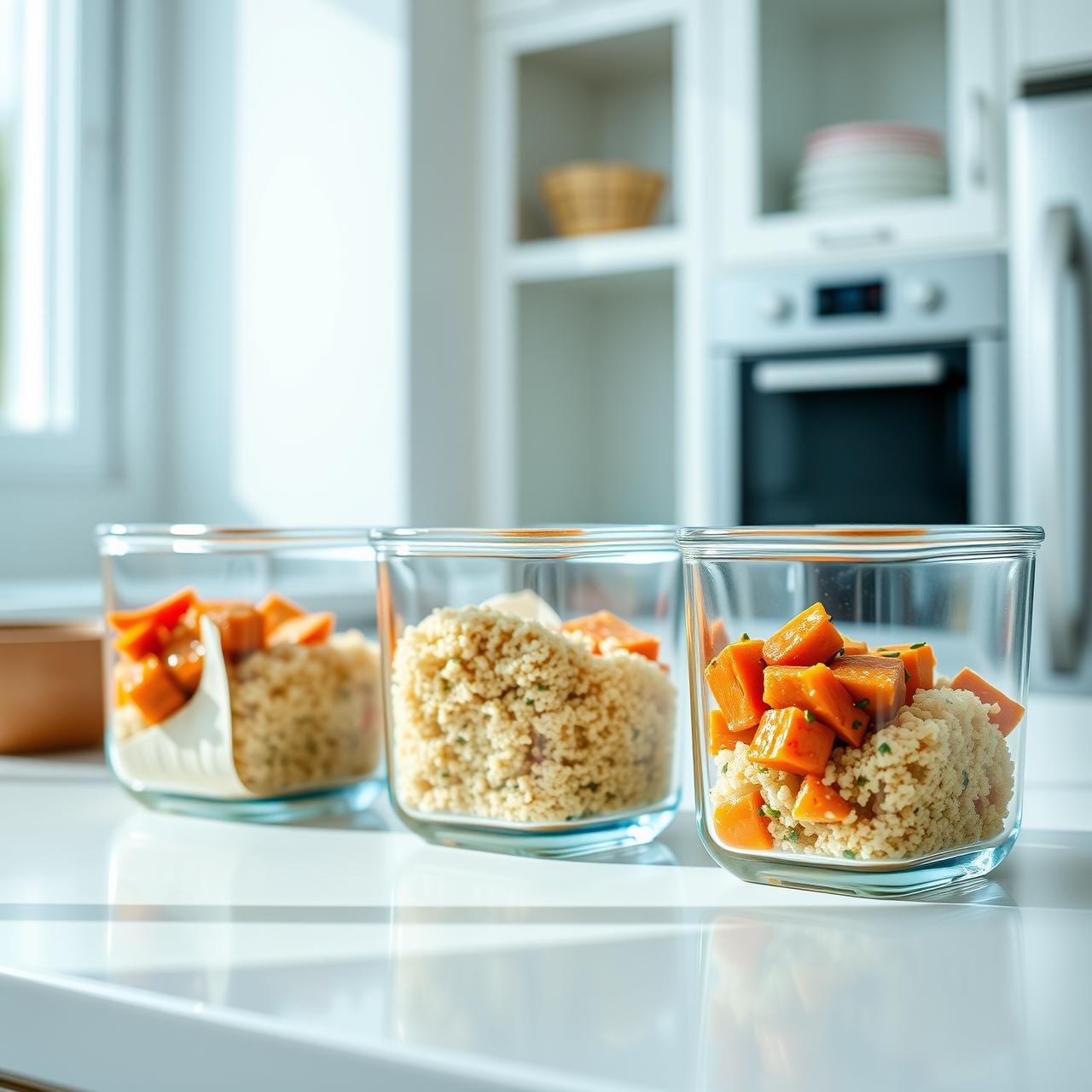
While this dish is best enjoyed fresh from the wok, its simple nature makes it surprisingly versatile for meal planning. Here’s how to serve, store, and incorporate it into your weekly routine.
Serving Suggestions for Weight Loss
- On its Own: For a minimal-carb, keto-friendly meal, enjoy a hearty bowl of the stir-fry by itself. It’s satisfying enough to be a complete light meal.
- With a Fiber Base: Serve over a small portion (1/2 cup cooked) of high-fiber grains like quinoa or brown rice. These complex carbs digest slowly, providing sustained energy.
- In a Lettuce Wrap: Spoon the stir-fry into large, crisp lettuce cups (like iceberg or butter lettuce) for a fresh, crunchy, and very low-calorie meal.
Storage and Reheating
You can store leftovers in an airtight container in the refrigerator for up to 2 days. Be aware that the texture of the eggs may change slightly upon reheating. To reheat, it’s best to gently warm it in a skillet over low heat until just warmed through. Microwaving can sometimes make the eggs rubbery, so use short 30-second intervals if you must.
Meal Prep Strategy
While the final dish is best made fresh, you can do all the ‘mise en place’ ahead of time. Wash and chop your tomatoes and scallions and store them in an airtight container. You can even pre-mix the sauce ingredients. When you’re ready to eat, the entire cooking process will take less than 5 minutes, making it faster than ordering takeout and infinitely healthier. This is a perfect strategy for busy weeknight dinners.
Conclusion
The 10-Minute Chinese Tomato and Egg Stir-fry is more than just a quick recipe; it’s a philosophy of eating. It proves that food can be incredibly fast, deeply comforting, budget-friendly, and a powerful ally in your health and weight loss goals. By mastering this simple dish, you empower yourself with a delicious meal that you can turn to on busy nights, lazy weekends, or anytime you need a nutritious boost without the effort. Embrace the rustic charm and homestyle goodness of this timeless classic, and discover how the most satisfying meals are often the simplest ones.